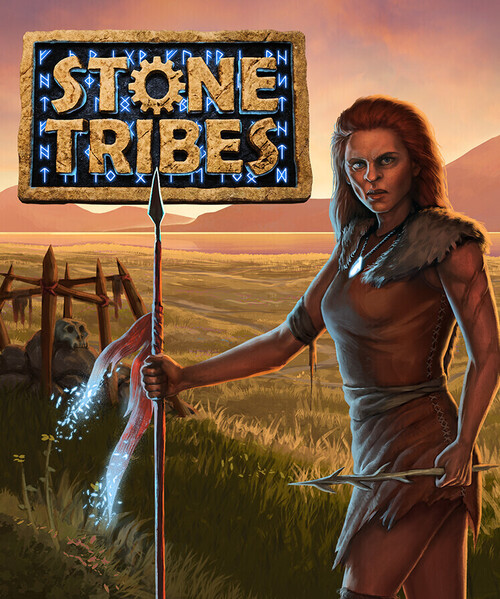
Stone Tribes
Current prices

|
Unavailable
|
Description
STONE TRIBES
An Automation-Driven Real-Time Strategy Game
High Concept
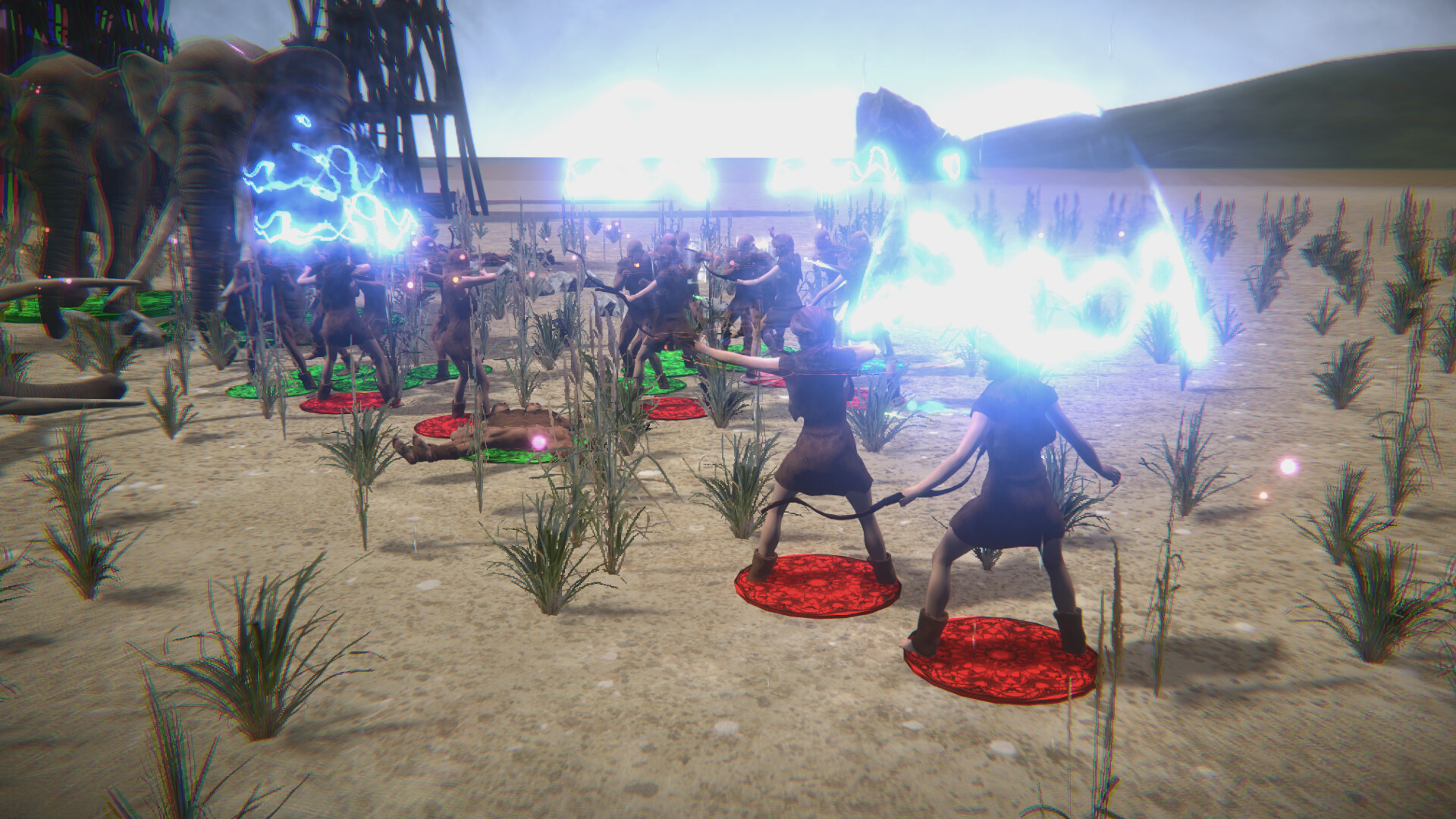
Stone Tribes is a Real-Time Strategy (RTS) game with a strong RPG dimension , where the player does not directly micro-manage units, but instead designs their intelligence and issues tactical commands to groups of autonomous characters.
Rather than controlling every action, the player acts as a strategic architect , defining behaviors in advance and dynamically adapting strategies through Macros during battle.
Core Fantasy
You don’t control units.
You design how they think — and decide when to intervene.
The player leads a tribe of 30 persistent characters , each with its own class, equipment, and behavioral logic.
Victory comes from preparation , coherent automation design , and the ability to adapt tactics in real time , not from high APM or constant micro-management.
1. Automation-Driven Gameplay
Each character operates using an Automation Flow :
a permanent, condition-based behavior that defines how the unit acts by default.
Automations represent the unit’s intrinsic intelligence
Autonomous, readable, and consistent behaviors
A combat fallback ensures units always remain functional
2. Tactical Macros (Player Command)
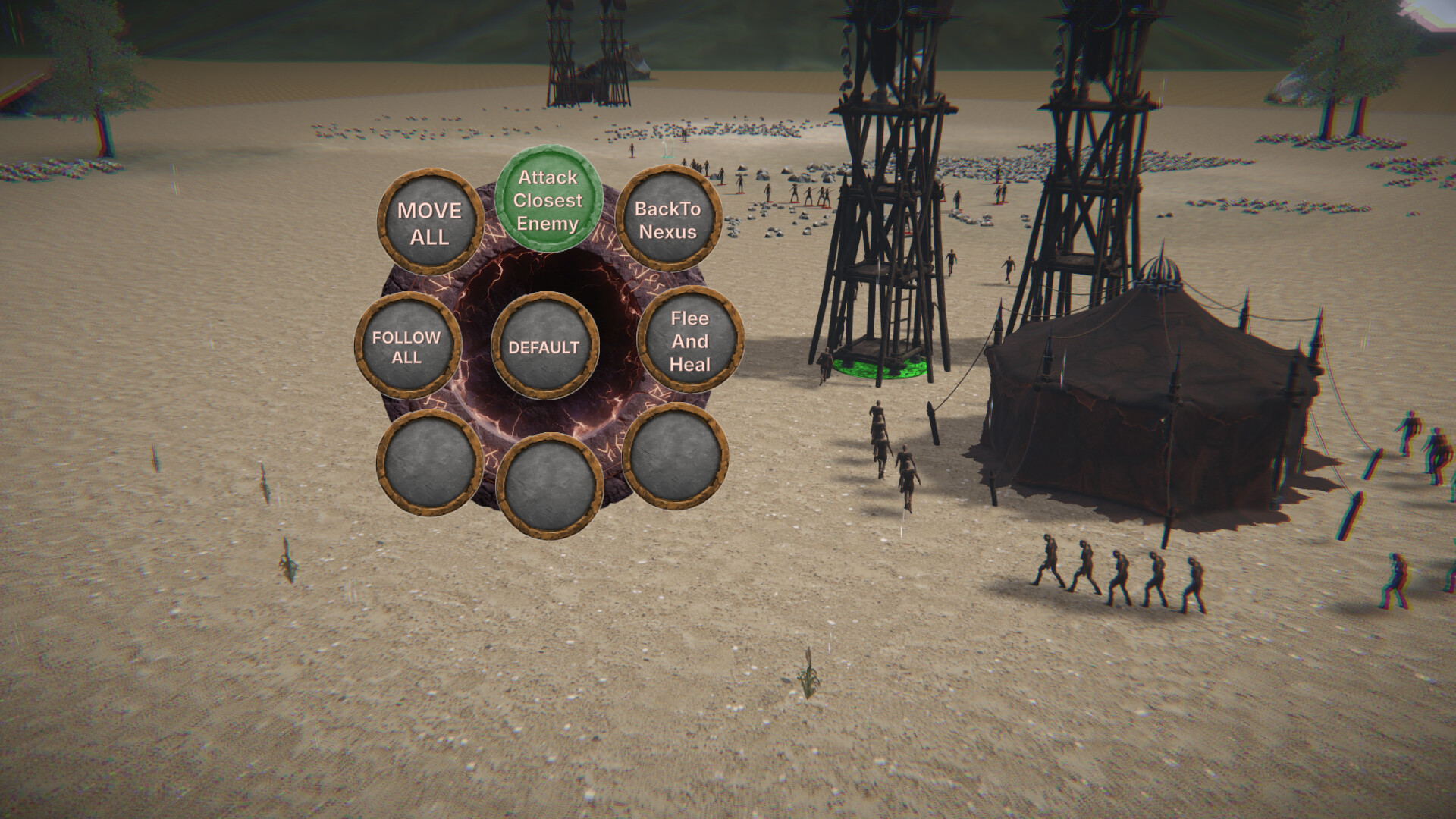
Macros are temporary tactical orders that override individual automations.
The player commands intent, not execution
Instant strategy switching
Simple predefined Macros or fully customizable ones
Macro State Resolution
At any given time, each character has exactly one Macro State :
Macro State = Undefined (Default)
The character follows its Individual Automation Flow.
Core Combat Behavior is active.Macro State = Forced Macro (Legacy)
The character follows a predefined tactical order
(MoveTo, MoveAndFight, AttackTarget).
Core Combat Behavior is disabled.Macro State = Custom Macro
The character follows a player-designed tactical behavior.
Core Combat Behavior is active.
Core Combat Behavior
Core Combat Behavior is a minimal fallback behavior available only when not explicitly disabled.
When active, and only if no valid action is produced by the current Automation or Macro , the character will:
Auto-attack that enemy
Move toward the closest enemy in range
3. Group-Based Strategy
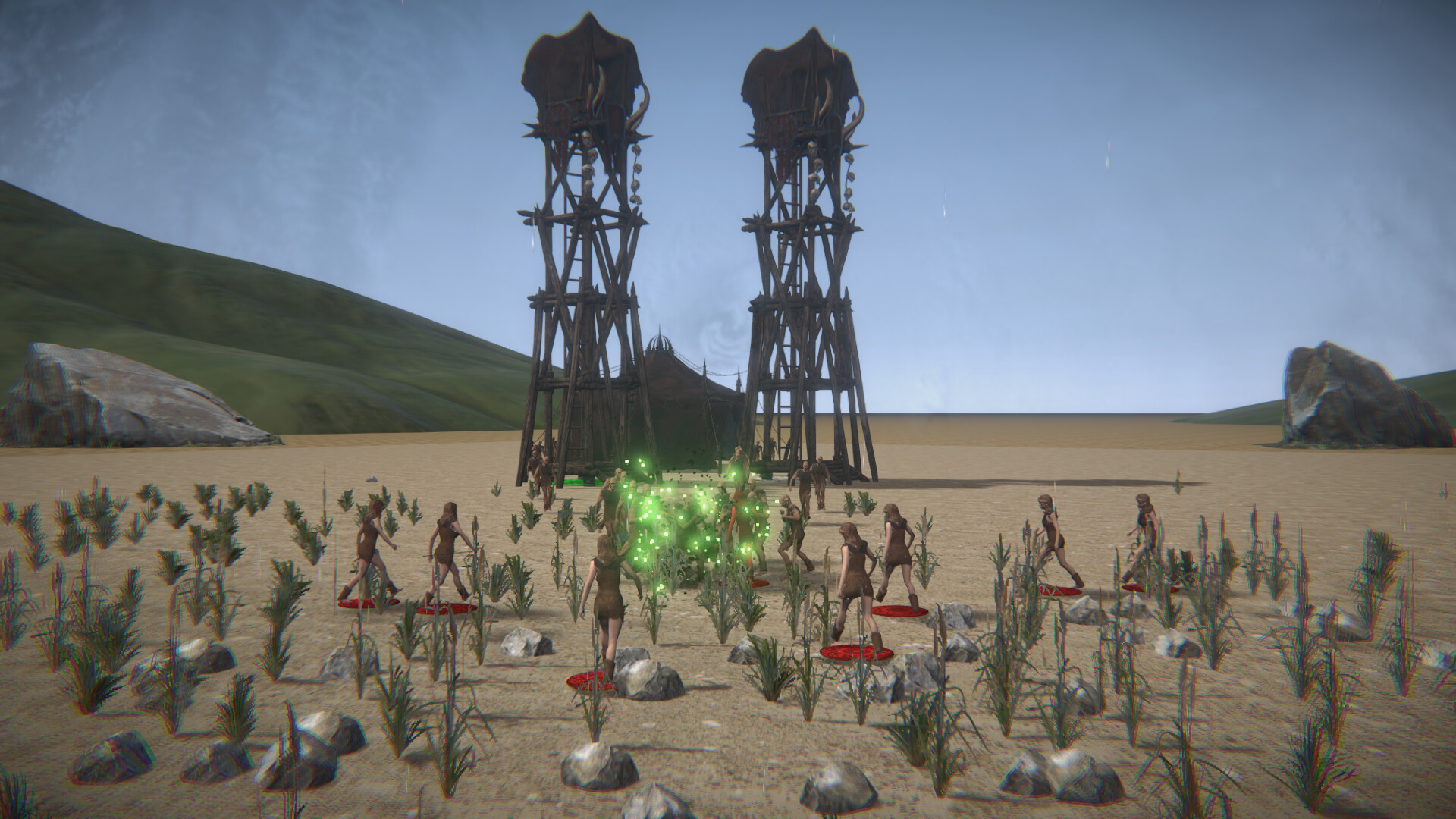
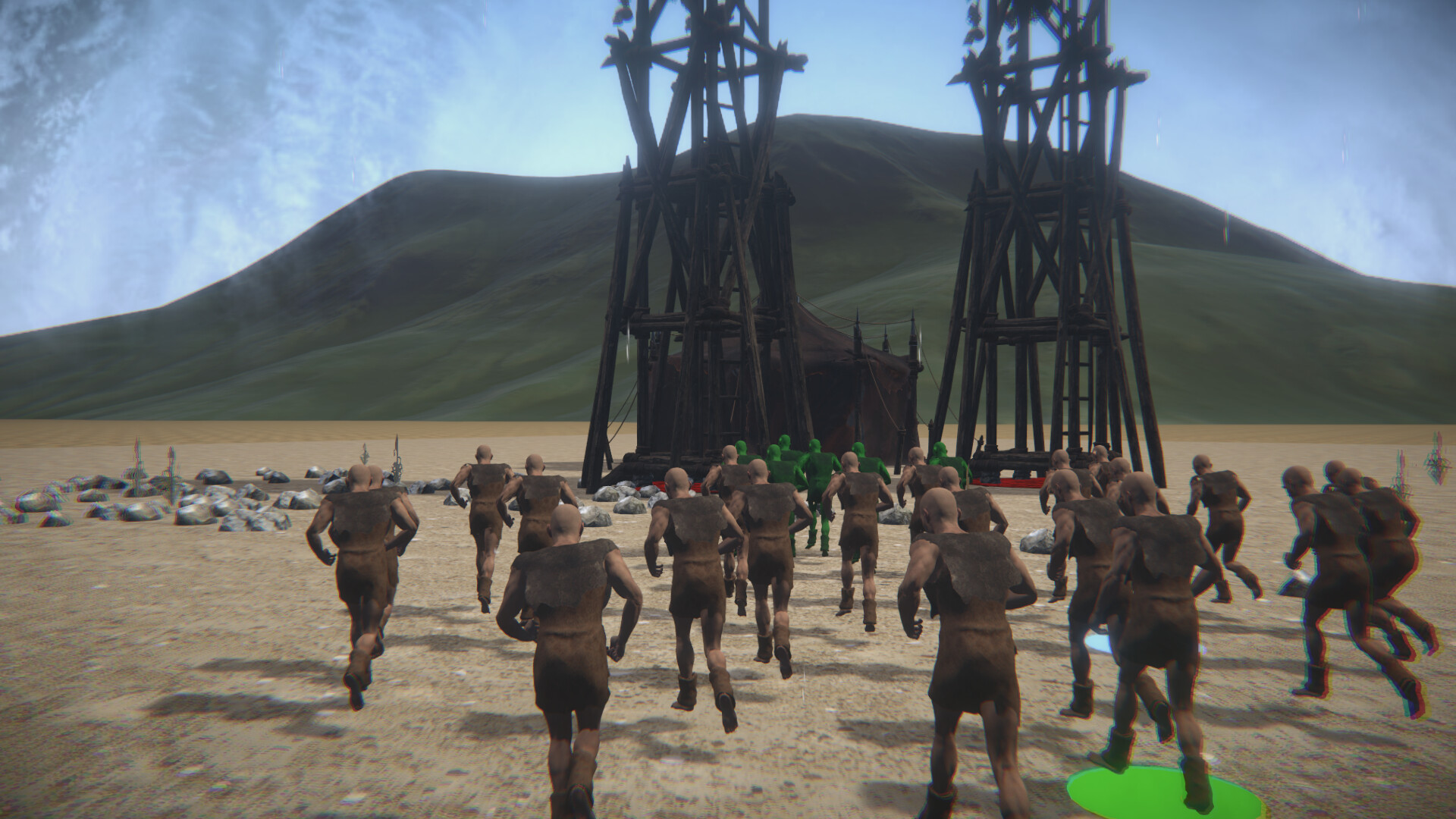
The tribe can be divided into groups , each receiving different Macros simultaneously.
One army, multiple strategies
High-level coordination without micro-management
Clear battlefield intent and readability
4. RTS + RPG Hybrid
Each unit is a persistent character, not a disposable pawn:
Classes: Warrior, Hunter, Craftsman, Shaman, Druid, Necromancer
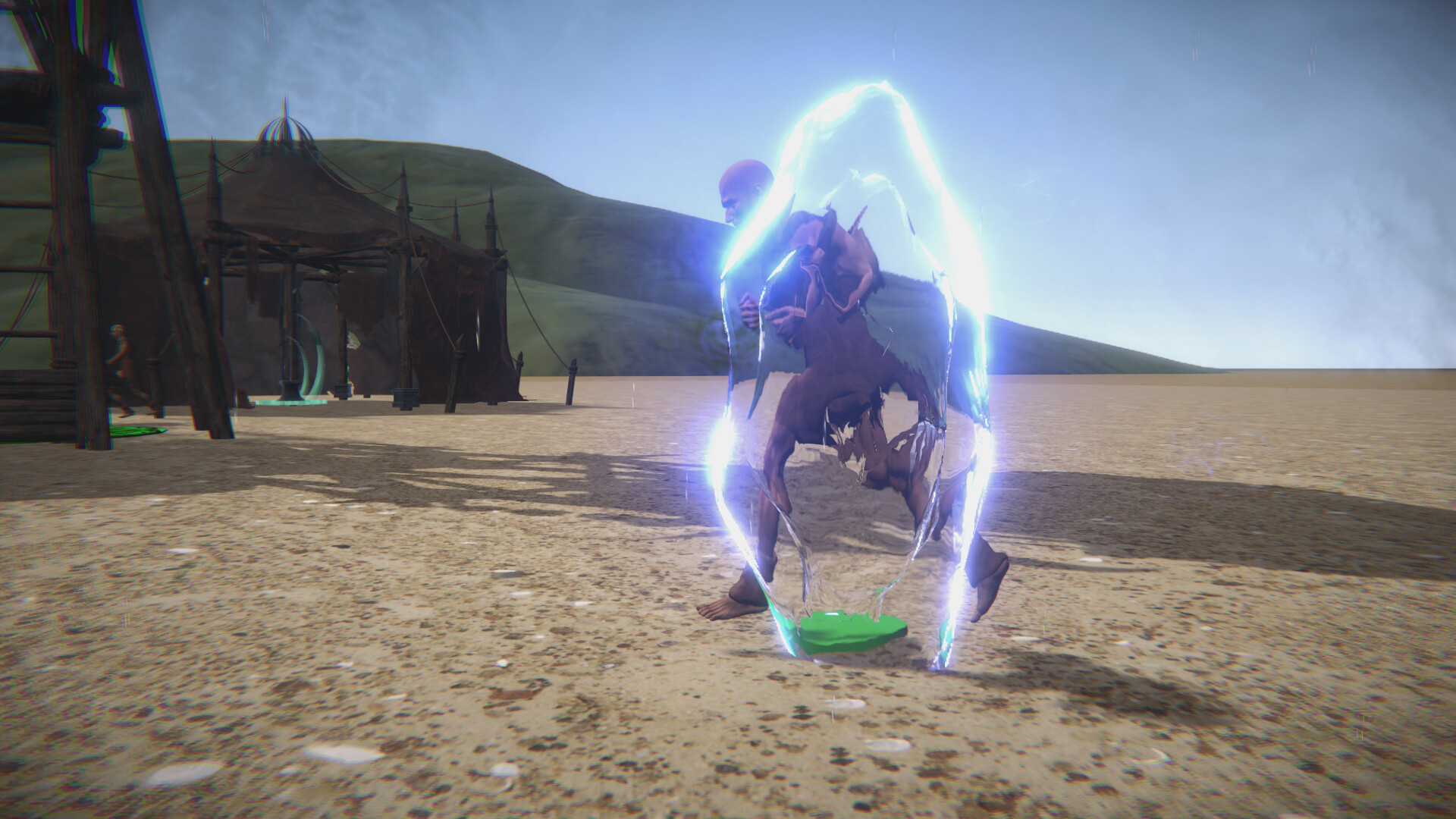
Levels, experience, equipment, and spells
Defined roles within the tribe
Automation vs Macro
Automation
→ Permanent individual behaviorMacro
→ Temporary tactical order issued by the player
Team Design Phase
Before entering a match, the player prepares a team:
Composition of 30 characters
Class distribution and balance
Equipment and spells
Individual automation flows
Custom Macro definitions
Players can either:
jump straight into battle using pre-built teams , or
dive deep into automation design to optimize their strategy
Game Modes (Beta Focus)
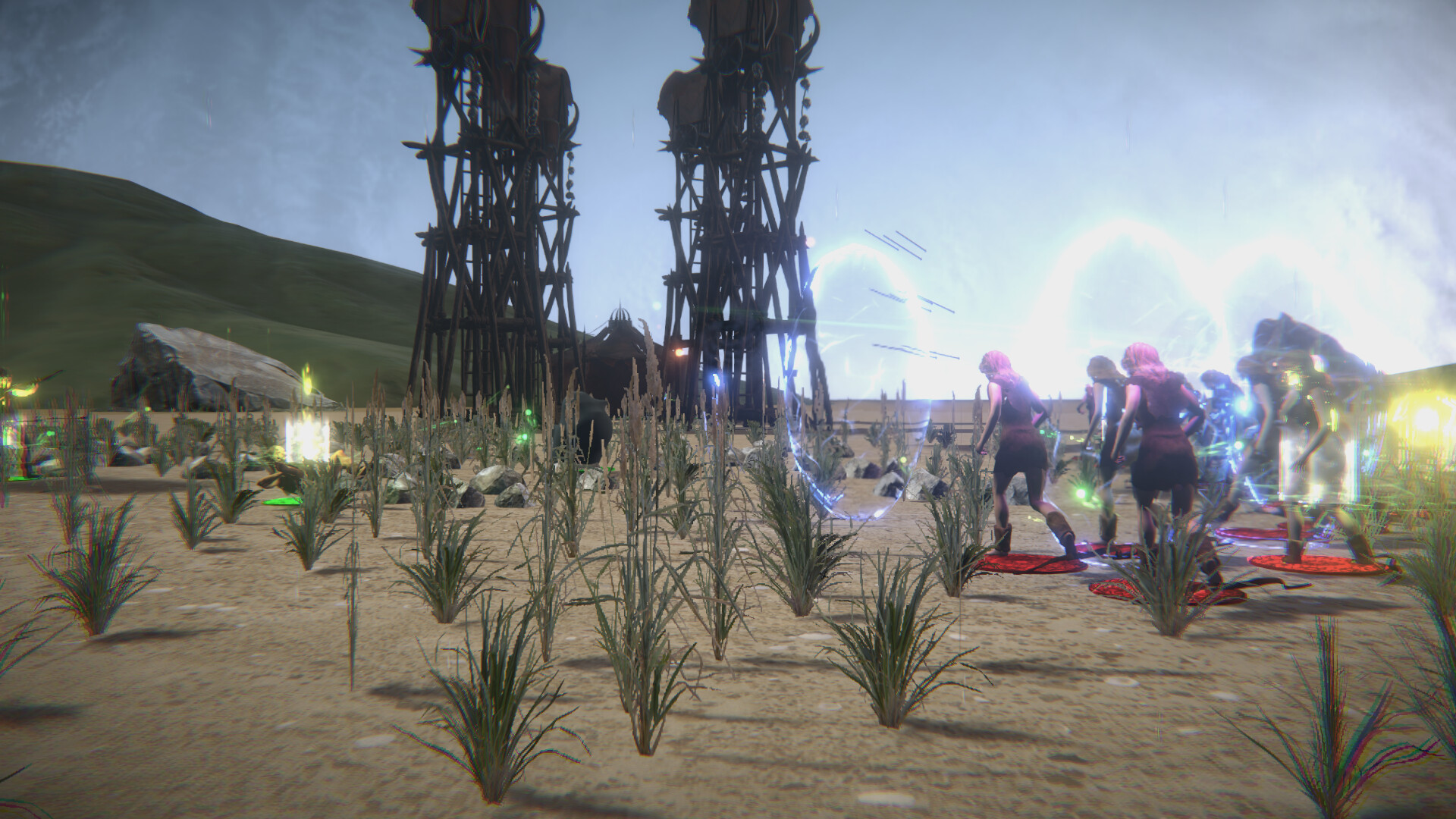
PvP Nexus vs Nexus
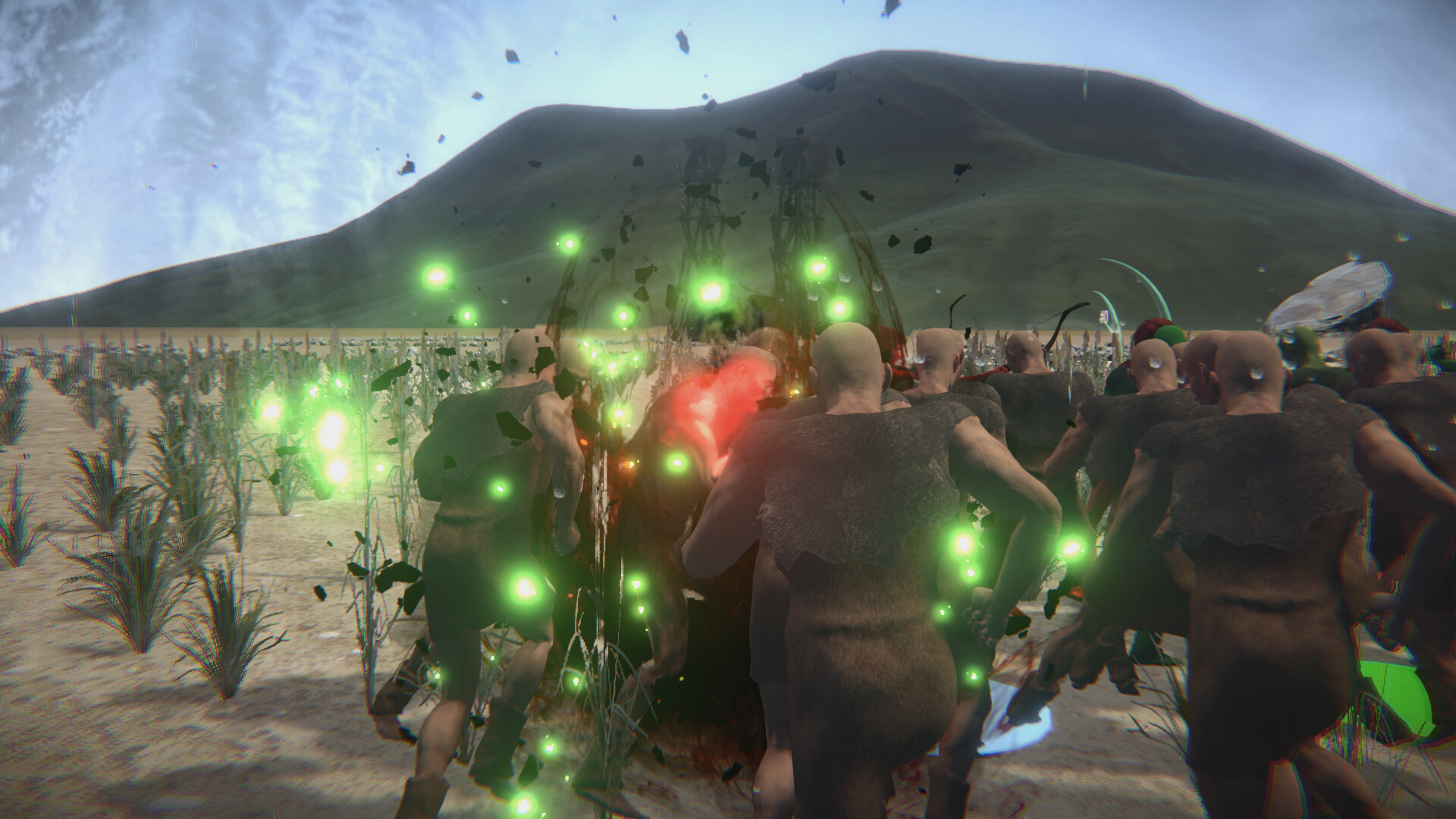
Two teams compete to destroy the enemy’s core.Solo vs AI
Practice and strategy experimentation.
Additional modes (PvE, multi-objective scenarios) are planned for later development.
What Makes Stone Tribes Different
No frantic micro-management
No APM as the primary skill
Strategy based on design and anticipation , not mechanical execution
A system-driven RTS focused on emergent behavior
Target Audience
RTS players looking for something new
Fans of deep, systemic gameplay
Players who enjoy optimization, automation, and experimentation
Strategy players who prefer thinking over clicking
Final Note
This one-page is designed to clearly communicate:
what the game is
why it’s different
who it’s for