Stationbreak
Details
- Genre: Strategy, Simulation
- Developer: Broken Spaceship
- Publisher: Slug Disco
Current prices

|
Unavailable
|
Description
Overview
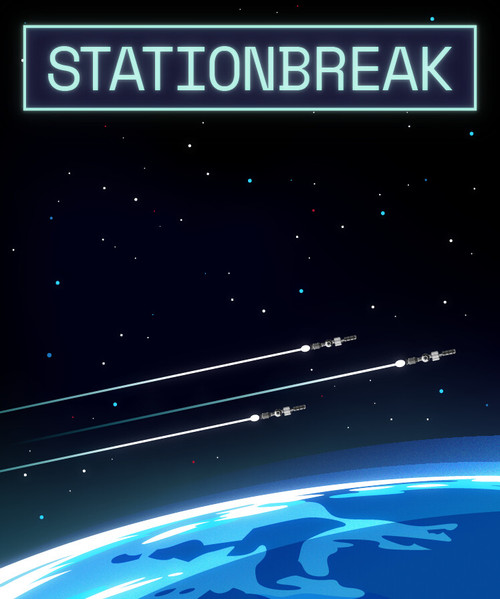
Stationbreak is a grounded sci-fi station-builder roguelite, driven by creeping dread. You lead a small fleet on the run, dropping into hazardous star systems to assemble temporary space stations just long enough to harvest the energy you need to jump again. Dive into this cassette-futuristic world, based on a combination of 1980s space command and mysterious alien technology.
Station Building Under Pressure
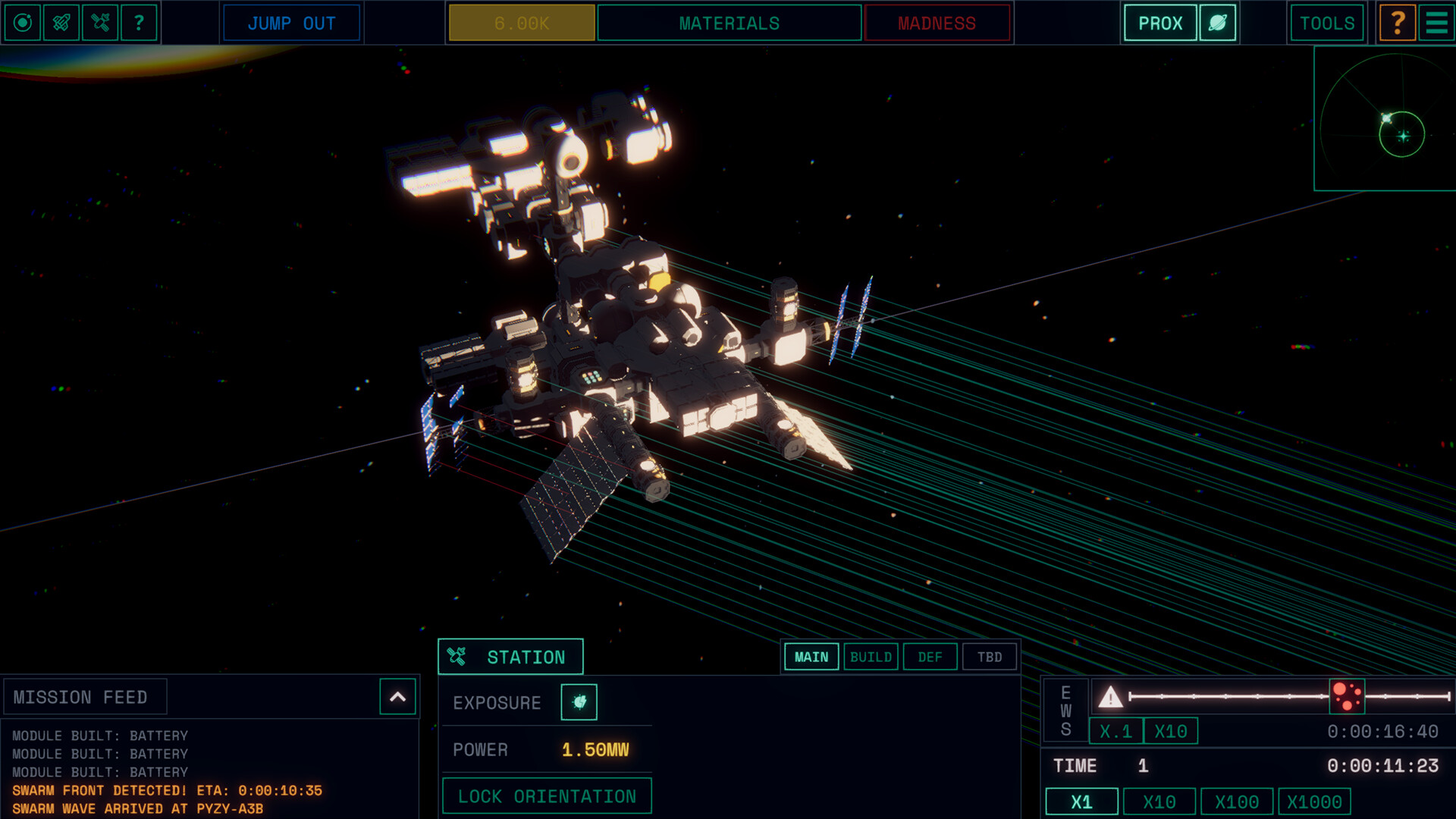
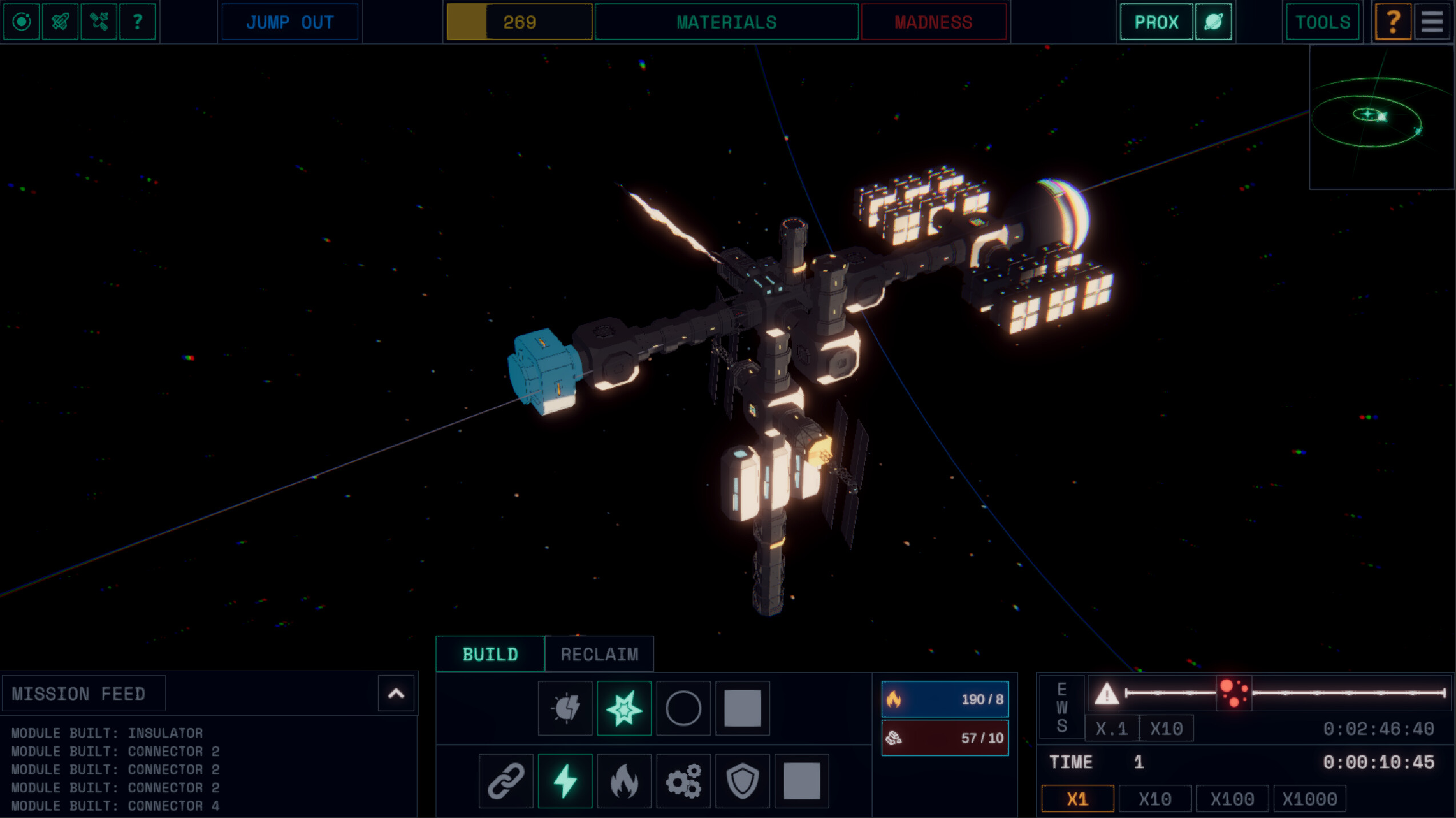
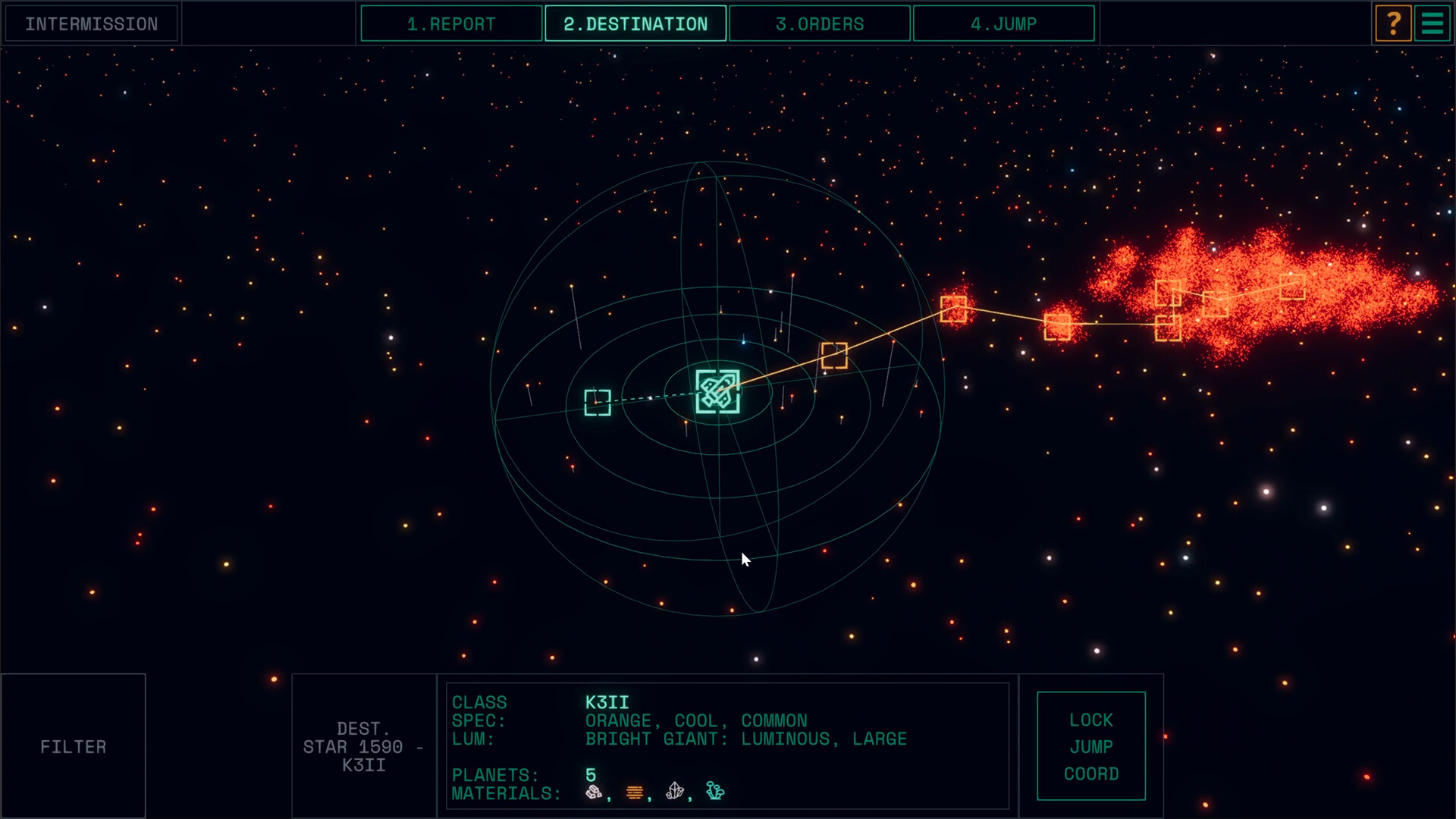
Each escape jump takes you to a new, procedurally generated system, presenting different constraints and challenges. Assemble temporary space stations from whatever resources you can find, and carefully balance starlight exposure, orbital paths and module adjacency to optimise your use of space and make your station as effective as possible.
But nothing is built to last. Every station is a temporary solution, ultimately discarded as you flee in the face of the Swarm. Pushing too hard could cause catastrophic failures, and you have everything to lose.
Systems and Trade-offs
Balance fragile interconnected systems under constant strain, as heat and wear accumulate over time, and even your crew’s sanity needs monitoring. The Swarm is an ever present threat, escalating in size and ferocity as the waves keep getting bigger. Building defenses will buy some time against the Swarm, but every second spent holding off the tide is a second your jump drives aren’t getting charged.
You’ll need to figure out when to fortify and endure, and when to abandon the station and run, even if it means leaving valuable resources or unfinished work behind. Can you risk another wave?
Roguelite Fleet Progression
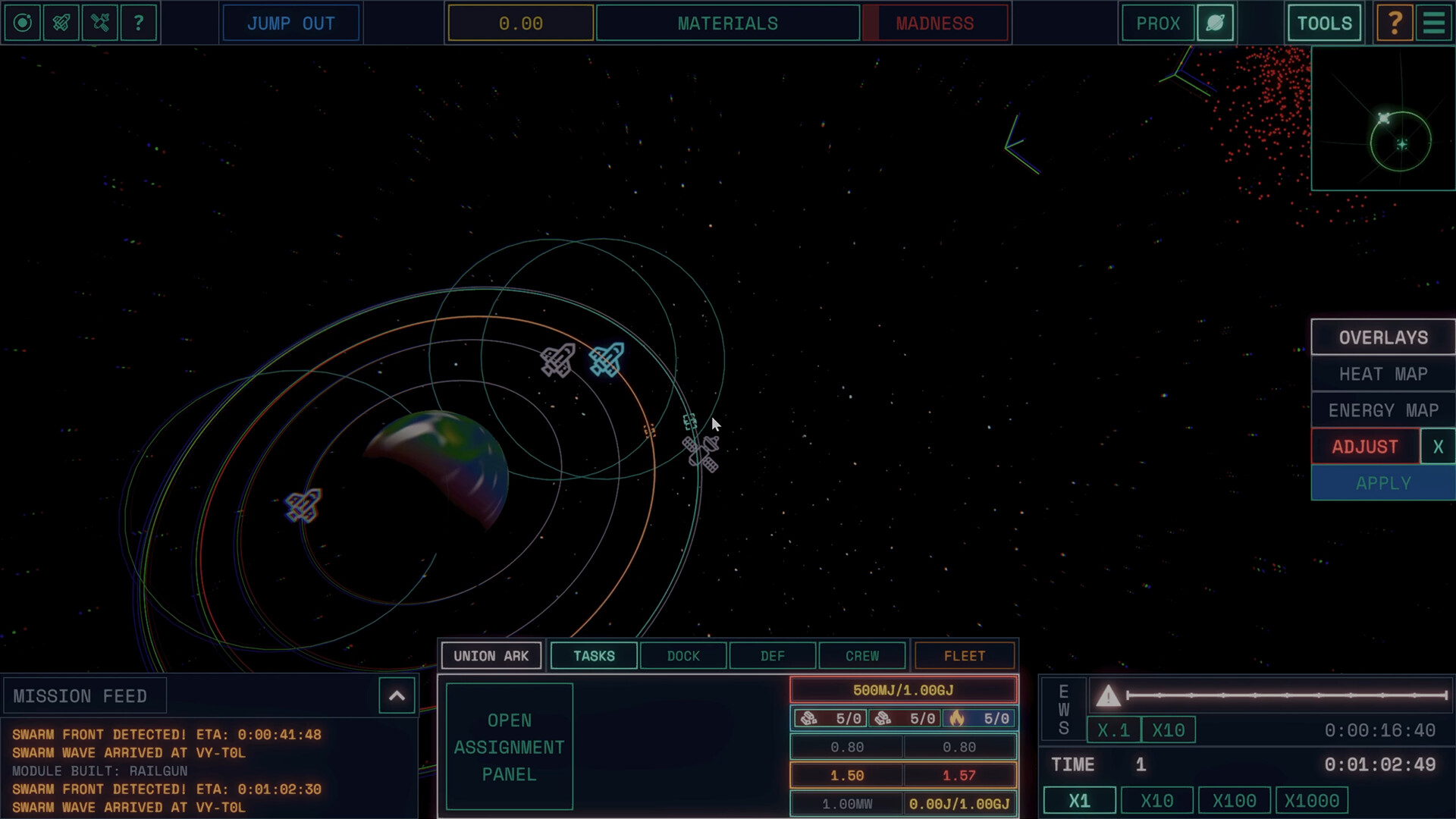
Your ark ships remain with you throughout the game, in symbiosis with your stations. The ships gather resources, defend your station and offer operational support, and the station’s main purpose is to prepare the ships for their continued journey into the long dark. Carry your progress forward between jumps, as you develop and specialise your fleet’s technology, unlocking new tools, abilities, and strategic options. But your ships need repair, and your crew is weary.
You’ll need to choose between developing new technology, maintaining your ships, or just letting your crew rest, as there’s precious little time spent between systems. Managing all variables is a true balancing act, and you’re on the razor’s edge.