Details
- Release date: March 18, 2026
- Genre: Strategy, Indie, Simulation
- Developer: Norb Software Development
- Publisher: Norb Software Development
- Platforms: Steam
Current prices

|
Steam
Digital
|
$19.99
|
Price history
| All time low | |
| $9.99 | (-50%) |
Description
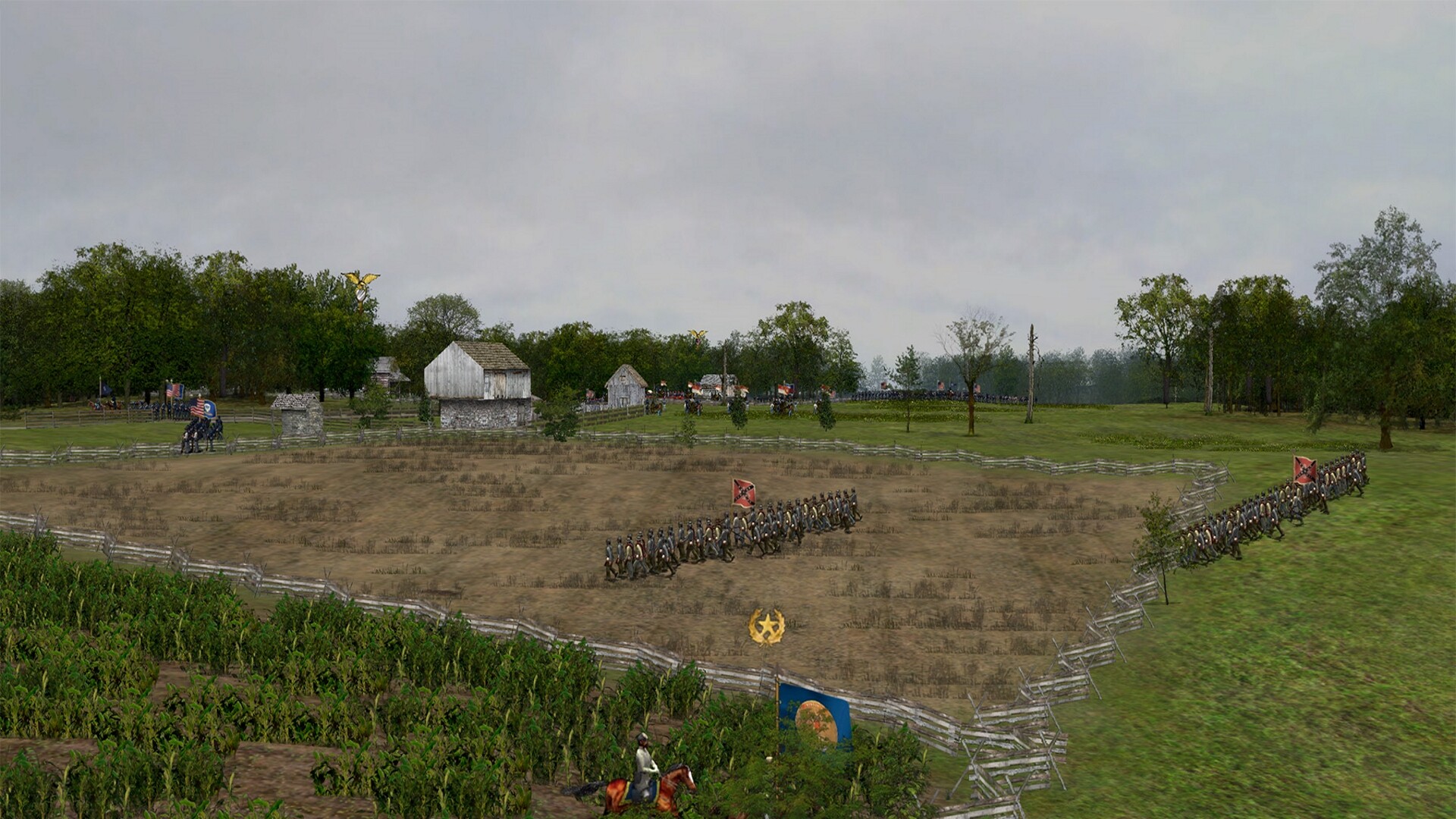
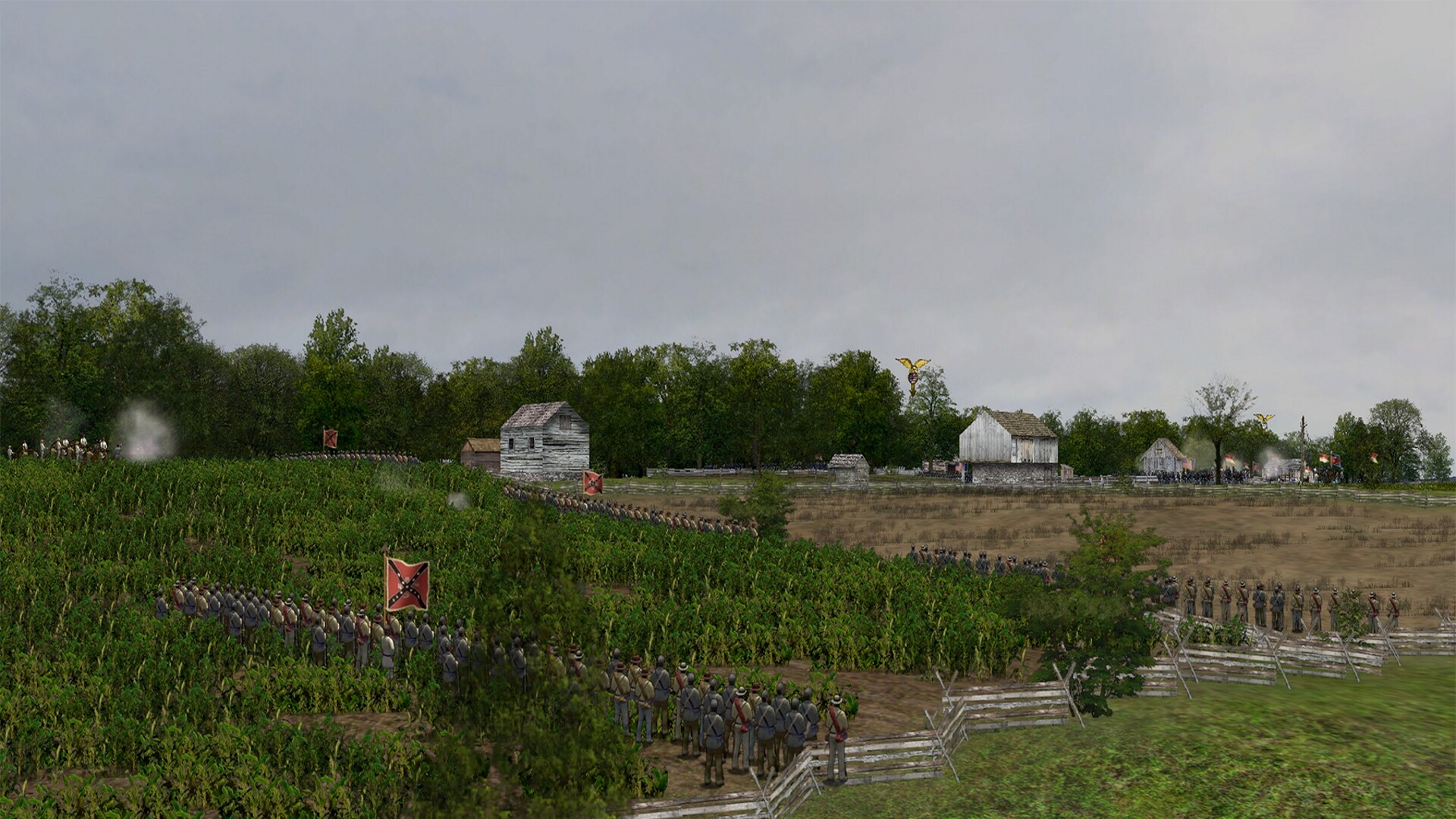
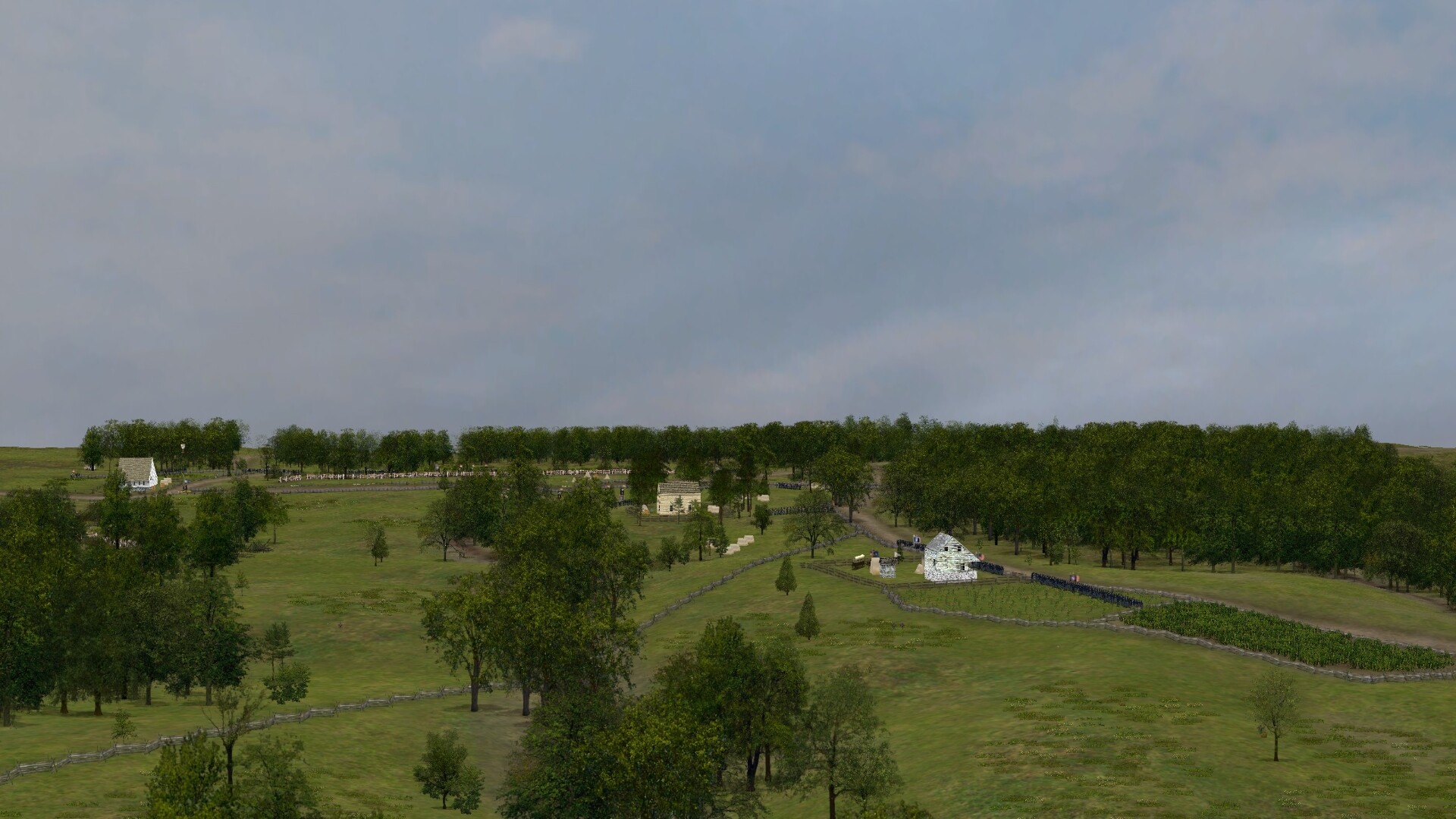
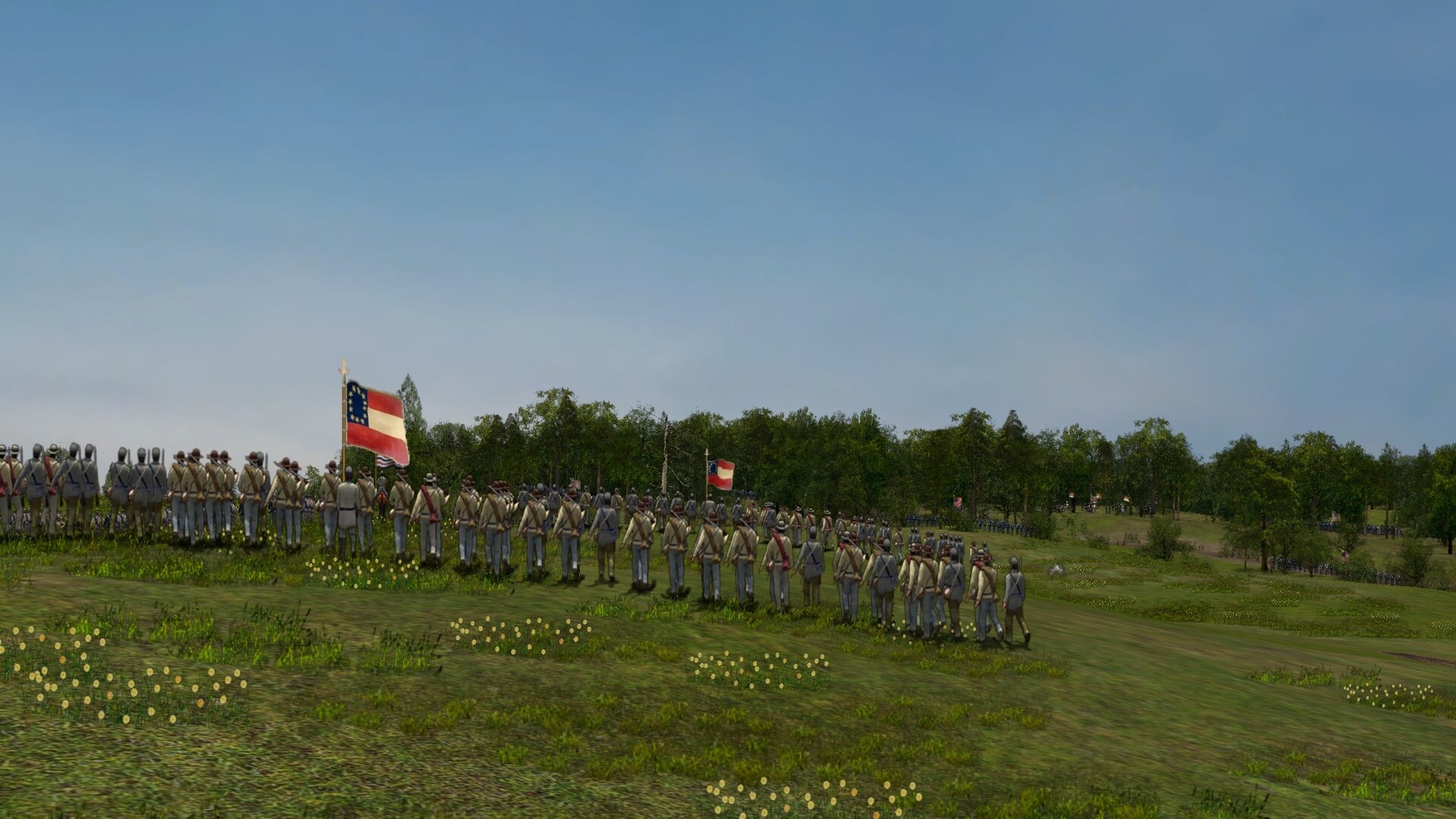
Chancellorsville DLC contains:
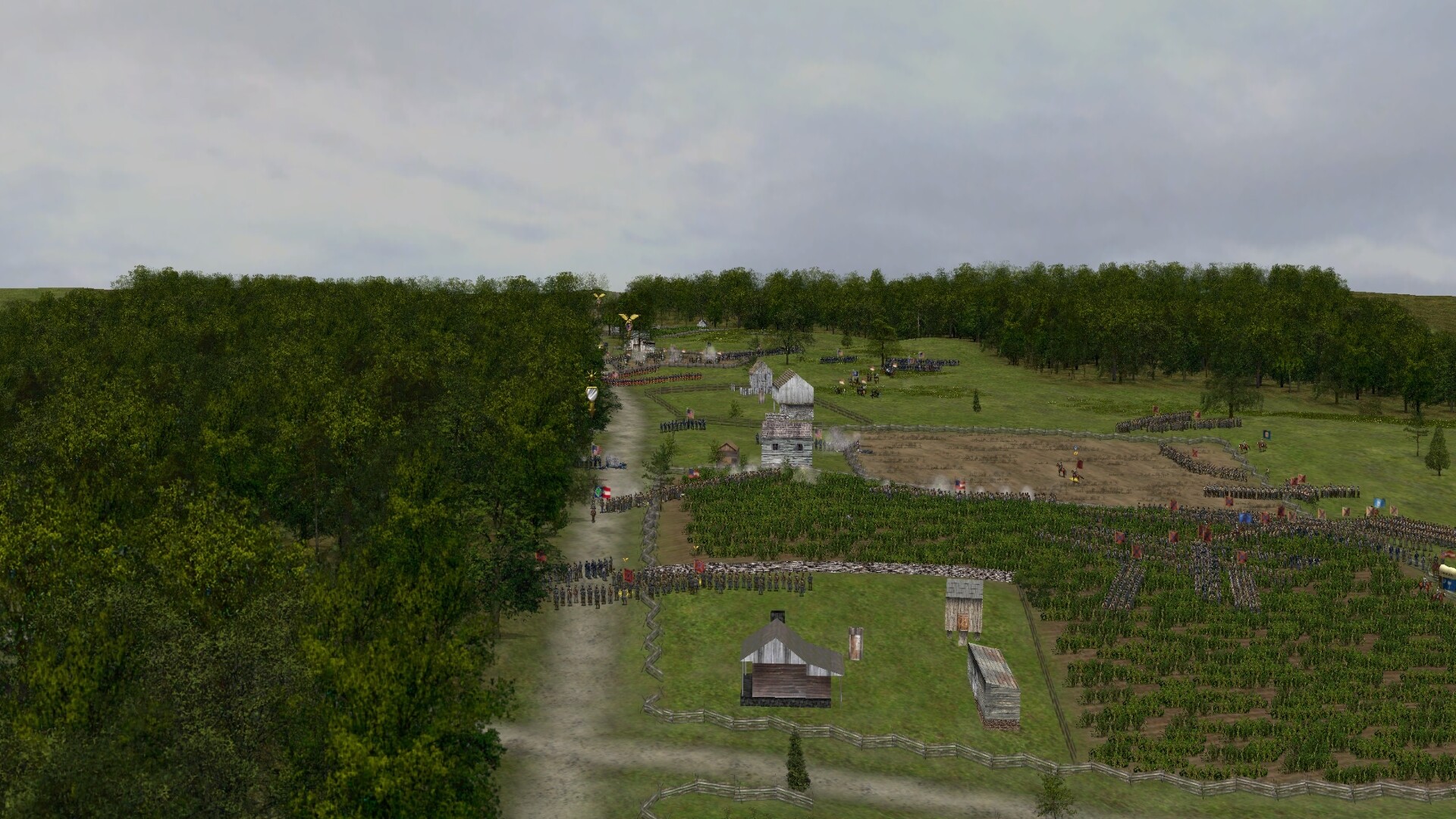
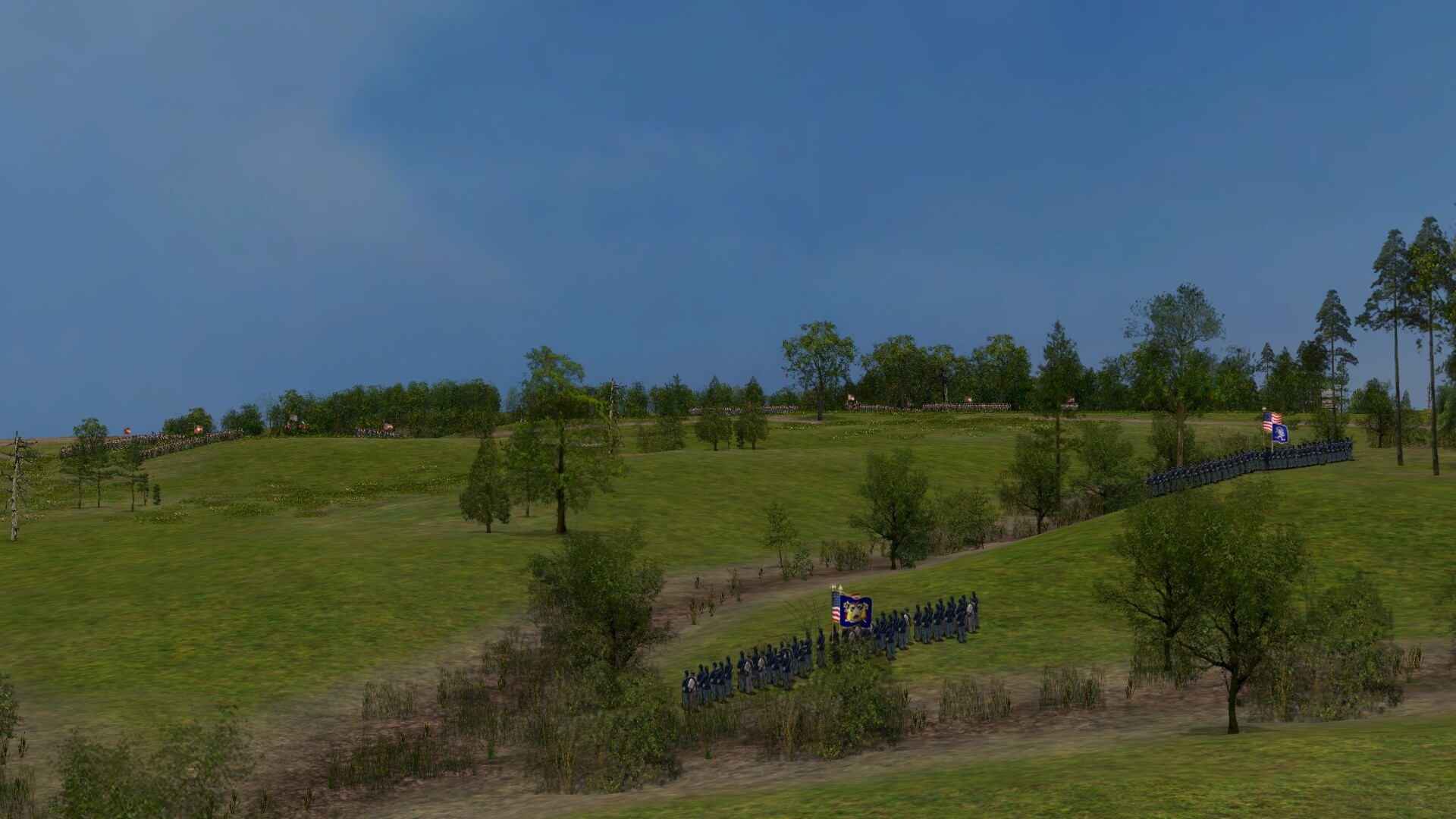
20 Chancellorsville Single player scenarios plus 6 Multiplayer scenario
5 remastered maps
Complete Chancellorsville OOB
In late April, the charismatic General Joseph Hooker had been in command of the Army of the Potomac for two months. His presence at the head of such a mighty army inspired hope in the North that it would soon strike Lee's Army of Northern Virginia at Fredericksburg, defeat it, and capture Richmond.
He made a brilliant start. On April 29, leaving his Sixth Corps to demonstrate at Fredericksburg, Hooker led the other four corps of his army in a wide flanking movement to the west. He successfully crossed the Rappahannock upriver from Fredericksburg and concentrated his huge force at the crossroads tavern called Chancellorsville, deep in the rear of Lee's Confederates.
The Army of the Potomac outnumbered Lee's army two to one, and Hooker's flank march was one of the great military feats of the war. Rather than falling back toward Richmond as Hooker expected, however, Lee audaciously divided his army. He left Early's division in Fredericksburg to observe the Union Sixth Corps and marched to meet the Federals in his rear. On May 1, when Hooker's Fifth Corps, advancing from Chancellorsville along the Orange Turnpike toward Fredericksburg, struck Jackson's men advancing to meet them, Hooker responded by pulling his entire flanking force back to Chancellorsville and awaiting attack. His hope was that Lee would weaken his army by beating it against the strong Union defenses, but Hooker had made the fatal mistake of ceding the initiative to Lee.
On the morning of May 2, Lee divided his army again and sent Jackson on a wide march around Hooker's right flank, reported to be "in the air." Jackson's column, marching across Hooker's front dangerously close to the Union lines, reached its destination and formed for battle by late in the afternoon, and, with about two hours of light left, struck the Union right flank and chased the panicked Federals through their camps. By nine o'clock the Confederate advance had become stalled in the dense woods of the Wilderness, and Jackson, reconnoitering ahead of his men in the darkness, was mortally wounded by his own men.
The next morning, May 3, Jackson's flanking force, now under Jeb Stuart, was still detached from Lee's main force in the Union front. To reunite the Confederate army, both wings attacked, aided by artillery massed on high ground at Hazel Grove. The Union line bent double, and the fighting on that day was the bloodiest of the battle. Hooker finally pulled his men back, and Lee's army was reunited.
At about the same time, word came that the Union Sixth Corps had attacked Early's thin gray line on the heights above Fredericksburg, and was bearing down on Lee's rear from the east. A Confederate brigade under Cadmus Wilcox halted Sedgwick at Salem Church, however, and Sedgwick himself grew cautious, forming a defensive line to guard the fords over the Rappahannock that were his escape route. The following day, May 4, Lee divided his army for a third time, leaving a token force in front of Hooker to attack Sedgwick with three divisions. That night, the embattled Sedgwick retreated across the fords in his rear to the safety of the north bank of the river, and the following day, Hooker did the same with his main force.
"Lee's Greatest Victory," as it came to be called, was over, but at a great price to Lee, both in the terrible toll in casualties and the loss of his "right hand," General Jackson. Perhaps an even greater danger to Lee and his men, however, was the sense of invincibility that the victory at Chancellorsville conferred. Two months later at the Battle of Gettysburg, Lee acted under the impression that his men could do anything, and this delusion resulted in the disaster that culminated with Pickett's Charge, where Confederate army suffered losses so heavy Lee's army was unable to take the offensive for the rest of the war.