Details
- Release date: December 26, 2025
- Genre: Action, Adventure, Role-Playing, Indie, Casual
- Developer: PHANTOM PRODUCTIONS YAZILIM LIMITED
- Publisher: PHANTOM PRODUCTIONS YAZILIM LIMITED
- Platforms: Steam
Current prices

|
Steam
Digital
|
$199.99
|
Price history
| All time low | |
| $11.99 | |
Description
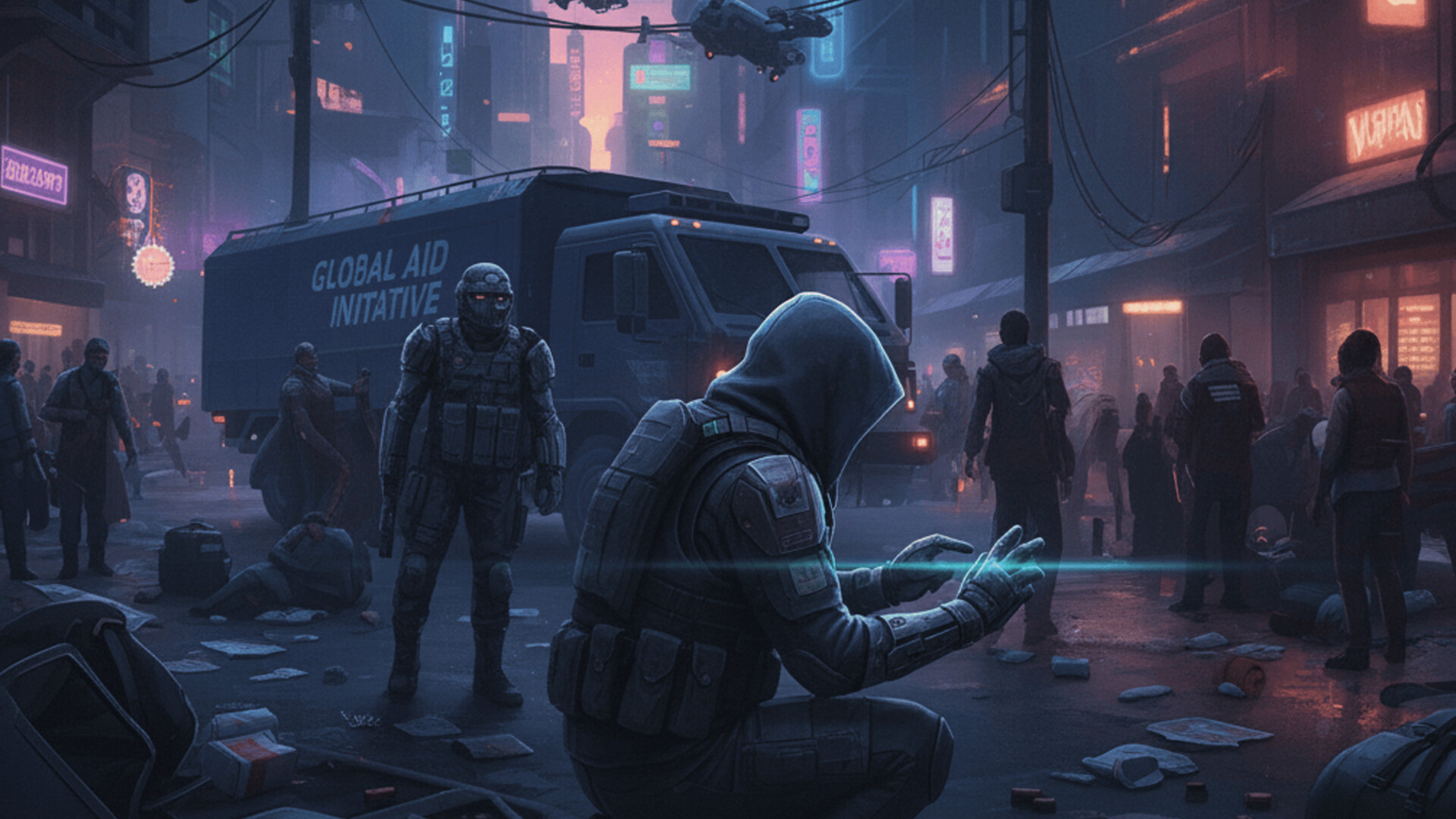
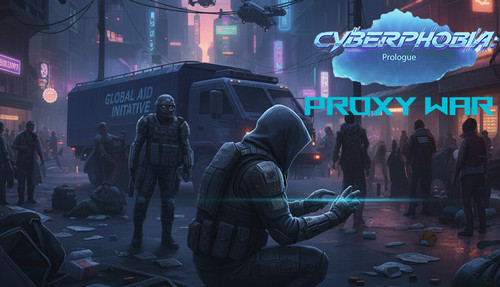
Humanitarian convoys and “non‑profits” flood a disputed district while white‑label mercenaries enforce competing ceasefires. Every contract comes through an intermediary; every sponsor hides behind a different mask. Track the money, pierce the smokescreen, and force the real backers into the light—or weaponize the ambiguity to turn factions against each other. In Proxy War , your hacks, leaks, and battlefield choices redraw the map more than bullets do.
Proxy War — DLC Overview
Genre & tone
FPS cyber-thriller with factional politics and information warfare. The vibe is “humanitarian theater meets corporate shadow ops”—tense, morally messy.
Premise (story)
A contested district becomes a stage for “neutral” NGOs, shell-company contractors, and deniable mercenaries. Each claims to stabilize the area while quietly advancing a sponsor’s agenda. You’re hired to trace the funding, expose (or exploit) the proxies, and force the true backers into the open—by contract, by leak, or by force.
Estimated playtime
Critical path: 4–6 hours
Full clear (branch outcomes, side ops, evidence hunts): 7–10 hours
Structure & Goals
Follow the Money: Use intel and forensic tools to connect NGOs and security outfits to their real sponsors.
Control the Corridors: Secure checkpoints, aid depots, and media uplinks to shape both movement and public sentiment.
Force Revelation: Choose an endgame— Expose (publish proof), Co-opt (run the proxies for your benefit), or Collapse (burn the network).
Core Mechanics
Proxy Contracts
All missions are offered via intermediaries. Accepting a job shifts Sponsor Influence (three hidden patrons), Civilian Support , and Mercenary Loyalty. You can:
take the money and do it,
double-book and play sides, or
accept then flip (sabotage objectives for leverage).
Intel as Ammunition
Rumor payloads, video leaks, and contract scans work like gear: deploy them to raise/lower suspicion, move checkpoints, or lock vendors.
Negotiated Combat
Before some missions, parley for Rules of Engagement (e.g., non-lethal zones, time-boxed curfews). Breaking ROE grants tactical freedom but spikes heat and future mission risk.
Frontline Tuning
A district map shows Aid Flow , Security Density , and Media Coverage. Mission results update these layers, changing patrol routes, civilian presence, and extraction options.
Hostage / Convoy Systems
Escort or intercept humanitarian convoys under drone curfews. Hostage rescues are score-weighted by collateral and camera presence.
Factions (examples)
Civic Hands (NGO): Public-facing aid org, secretly funded by a telecom bidding on surveillance contracts.
Tantalus Solutions (PMC): “De-escalation specialists” who escalate for billable hours.
Aegis Collective (Grassroots): Local citizen defense with fractured leadership—can become ally or powder keg.
Grey Ledger (Media Collective): Brokers footage and pays for leaks; may be compromised.
Level & Encounter Design
Neutral Zone Market: Firefights risk civilian casualties and camera capture—win by manipulating lines of sight and crowd control.
Pop-up Field Clinic: Non-lethal route with biometric spoofing; lethal entry triggers international incident timers.
Border Checkpoint Chain: Take or fake control across three gates; bribe, hack, or blitz.
Roof-to-Server Raid: Snatch proof from a comms station while mercs and “observers” negotiate downstairs.
Progression & Rewards
Skill nodes:
Gear: Proxy badges, non-lethal launchers, drone-spoof beacons, crowd-calming sonic pulses.
Vendors: Access shifts with your reputation among civilians and sponsors; “clean” vendors close if you brutalize, “black” vendors open.
Challenges
False-Flag Ops: Plant evidence to misdirect blame—backfire risk if counter-forensics catch your signature.
Live-Stream Pressure: Missions with active spectators; damage or detainees on camera alter the meta-score and future patrols.
Collateral Accounting: Post-mission audits reduce payouts and vendor trust if you were messy—even if you “won.”
Ceasefire Windows: Hard timers where firing a shot fails objectives; rely on gadgets and positioning.
Soundtrack & Audio
Sparse industrial percussion over low, pulsing drones; intermittent radio chatter, donor teleconference snippets, and crowdbeds. Combat cues fold in metallic hits and clipped alarms; negotiation spaces lean on heartbeat-soft bass and compressor-pumped ambience.
Modes & Replayability
Contract Deck (Roguelite Variant): Draft a sequence of proxy jobs; your leak/evidence cards persist between runs.
Ceasefire Trials (Score Attack): Clear objectives without breaking ROE; leaderboards weigh time, evidence value, and zero-harm bonuses.
Faction NG+ Flags:
What Makes It Unique
Treats conflict as an economy —aid, media, and contracts move the front more than bullets.
Evidence is leverage : publish for legitimacy, hoard for power, or forge to rearrange the chessboard.
Moral outcomes are systemic , not scripted: how you fight (or don’t) rewires vendors, patrols, and prices for the rest of the game.