Details
- Release date: June 30, 2026
- Genre: Action, Adventure, Role-Playing, Indie, Casual
- Developer: PHANTOM PRODUCTIONS YAZILIM LIMITED
- Publisher: PHANTOM PRODUCTIONS YAZILIM LIMITED
Current prices

|
Unavailable
|
Description
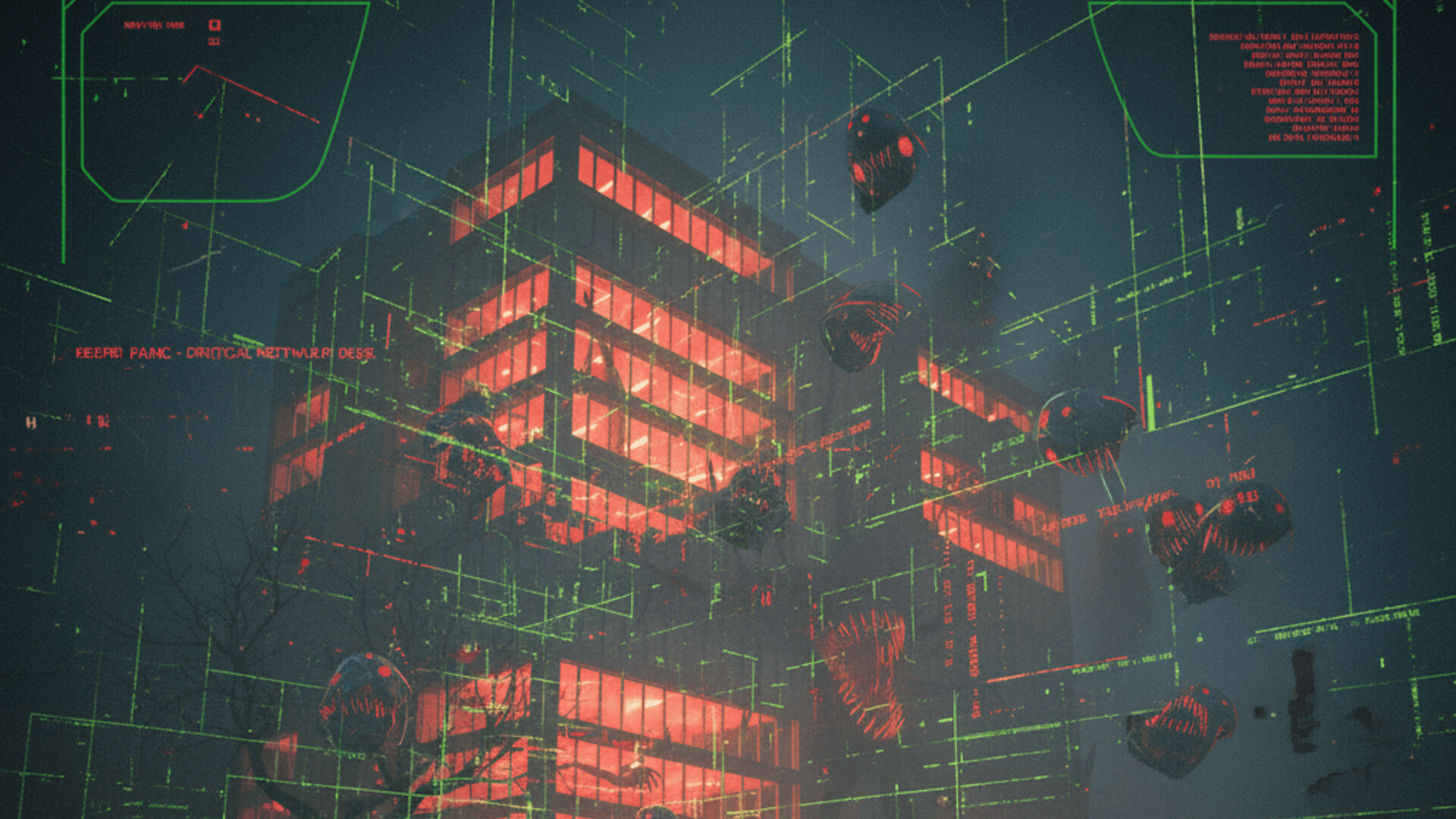
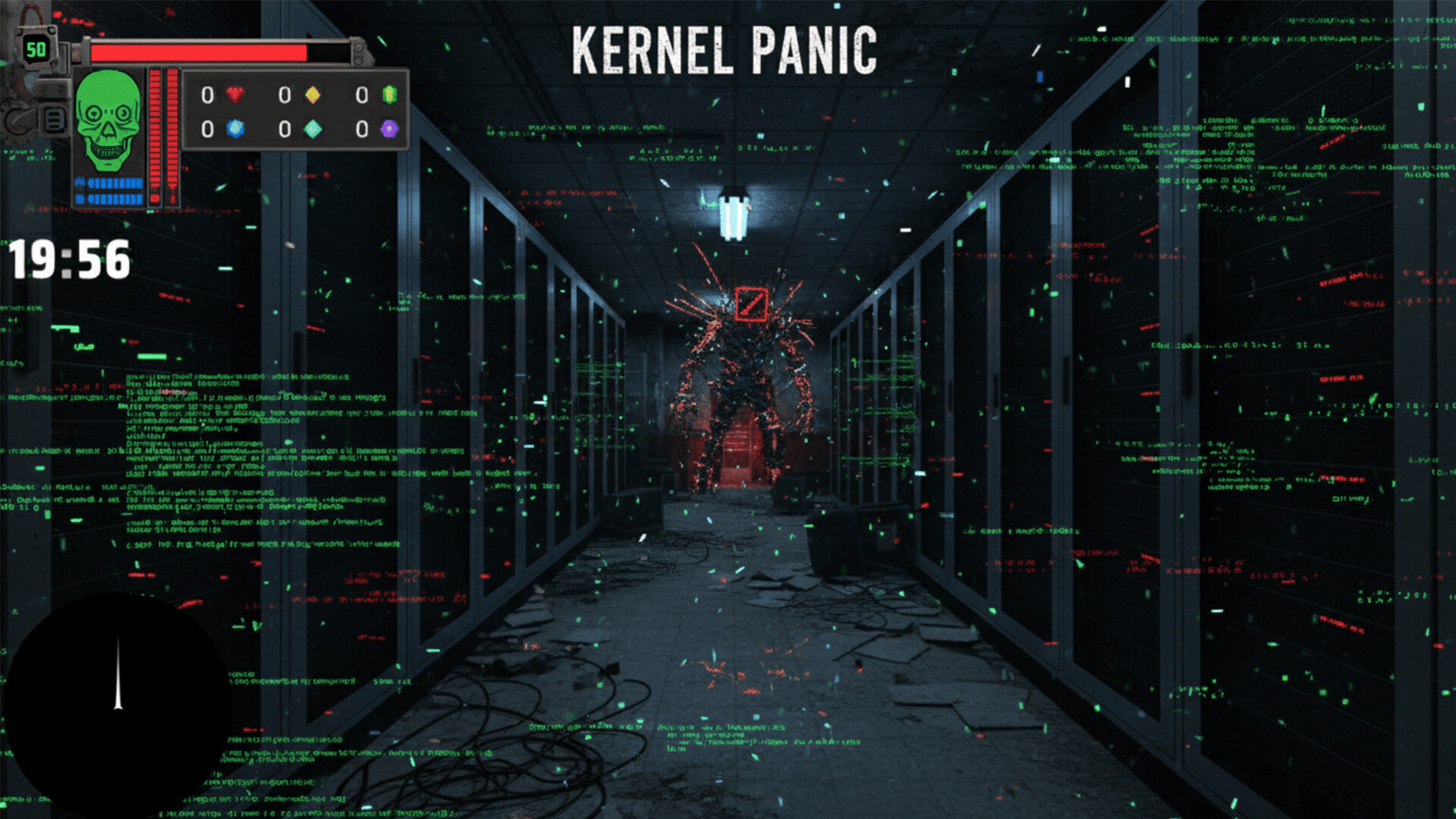
The municipal CityStack is rolling bad updates. Cameras contradict witnesses, drones loop patrols, and your HUD can’t agree with your eyes. Ride the fault line between what the system sees and what’s actually there. Exploit the corruption for impossible angles—or stabilize the grid before it eats the district. Kernel Panic bends level geometry, patrol logic, and mission intel around a single question: when the operating system lies, what do you trust?.
Kernel Panic — DLC Overview
Genre & tone
FPS cyber-thriller with reality-bending systemic stealth/combat. The vibe is “the city OS is lying to you”—cold, glitchy, paranoid.
Premise (story)
A corrupted rollout to the municipal CityStack desynchronizes what cameras see from what exists. Patrol drones loop, doors index to the wrong coordinates, and evidence chains contradict themselves. You’re contracted to trace the bad patch through contractors and dev-ops scapegoats, stabilize (or exploit) the grid, and decide whether to hard-patch the city… or keep a secret backdoor.
Estimated playtime
Critical path: 3.5–5 hours.
Full clear (branch outcomes, challenges, collectibles): 6–8 hours.
Structure & Goals
Isolate the Fault: Identify which subsystem (traffic, utilities, policing, identity) first propagated the bad build.
Exploit or Repair: Use glitches as traversal/combat tools—or perform live hotfixes to lock reality back into place.
Choose the Endstate:
Core Mechanics
Desync/Stability Meter
A visible meter governs world coherence.
Order (High Stability): Clean HUD, reliable intel, stricter enemy accuracy, intact locks.
Chaos (Low Stability): Visual/audio glitches, misindexed doors, broken navmesh, friendly-fire risk for AI, surprise paths.
Player-Facing Tools
Debug Pulse: Temporary scan that re-indexes geometry and reveals “true” vs “false” surfaces.
Time-Stamp Spoofing: Rewrite camera/droid timestamps to create alibis or phase patrols out of sync.
Hotfix Injector: Patch a device mid-fight (e.g., turn a turret to “maintenance,” recompile a gate’s path table).
Layer Pinning: Lock one layer of reality for ~15 seconds—great for making a glitched catwalk solid long enough to cross.
Fault Hooks: Craftable traps that increase desync locally (opening shortcuts or making enemies mis-target).
Combat/Stealth Interactions
AI can misclassify targets (shoot walls/teammates).
Bullet trails occasionally “drag” across misaligned frames (ricochet windows you can predict).
Silencers are louder to broken mics; unsuppressed shots sometimes don’t register at all—risk/reward flips with stability.
Level & Encounter Design
Transit Kernel: Subway hub with platforms that shift addresses; trains arrive at “wrong” stations—ride misroutes to hidden areas.
Municipal Data Nexus: Cooling towers, mirrored server rooms, live patch bays you can reroute like valves.
Arcology Stack: Residential megablock where elevators disagree on floors; balcony gaps appear only in the chaos layer.
Evidence Lab: Chain-of-custody puzzles—reconstruct the truth of a crime by reconciling conflicting sensor logs.
Progression & Rewards
Skill nodes:
Blueprints/Mods: “Parity grips,” desync-tuned optics (show both layers), magwells that prevent misfeeds during time-skips.
Meta Rewards: If you keep a backdoor, you unlock early-warning pings (city-wide exploit alerts) in the base game.
Challenges
Rollback Timers: Critical nodes auto-revert; miss the window and the layout/guards re-randomize.
Integrity Hunts: Counter-patch daemons chase your edits; if they catch you, your last fix backfires.
Truth vs. Proof: Publish the real incident chain to protect civilians, or redact it to preserve your exploit (affects vendors/faction trust).
Low-Stability Arena Fights: Intense set pieces where cover stutters and enemy aim desyncs—master the rhythm or get erased.
Soundtrack & Audio
Music: Glitch-minimal synth with bit-crushed percussion; motifs “phase” between keys as stability drops.
Sound design: UI error tones, timestamp clicks, servo warbles; filters widen/narrow as the meter swings.
Modes & Replayability
Stability Rush (Score Attack): Keep the meter in a requested band (Order or Chaos) while completing rotating objectives.
Debug Trials: Short puzzle arenas—pin layers, reindex props, and hotfix devices to reach an exit. Leaderboards by time and patch count.
New Game+ Flags:
What Makes It Unique
The world state is a weapon : level geometry, AI logic, and intel fidelity pivot around your stability choices.
Dual truth gameplay: Screens and sensors are unreliable; learning which layer to trust is the core mastery loop.
Systems cross-talk: Patching a door might fix an alarm—or crash a camera array two rooms away, opening novel plans.