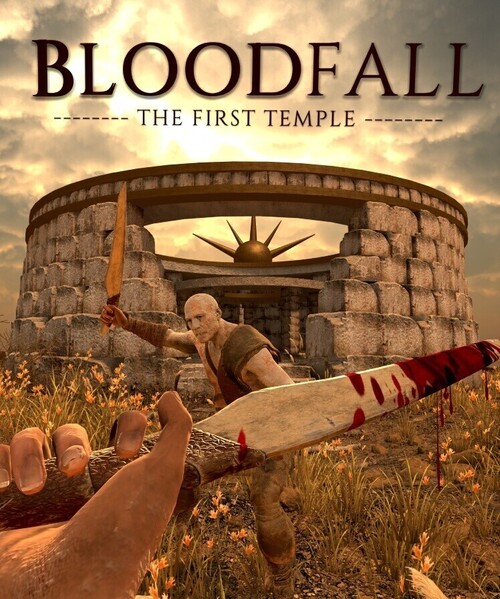
BLOODFALL: The First Temple
Details
- Release date: 2026
- Genre: Action, Simulation
- Developer: Hypermad interactive
- Publisher: Hypermad interactive
- Metacritic: tbd tbd
Current prices

|
Unavailable
|
Description
Setting
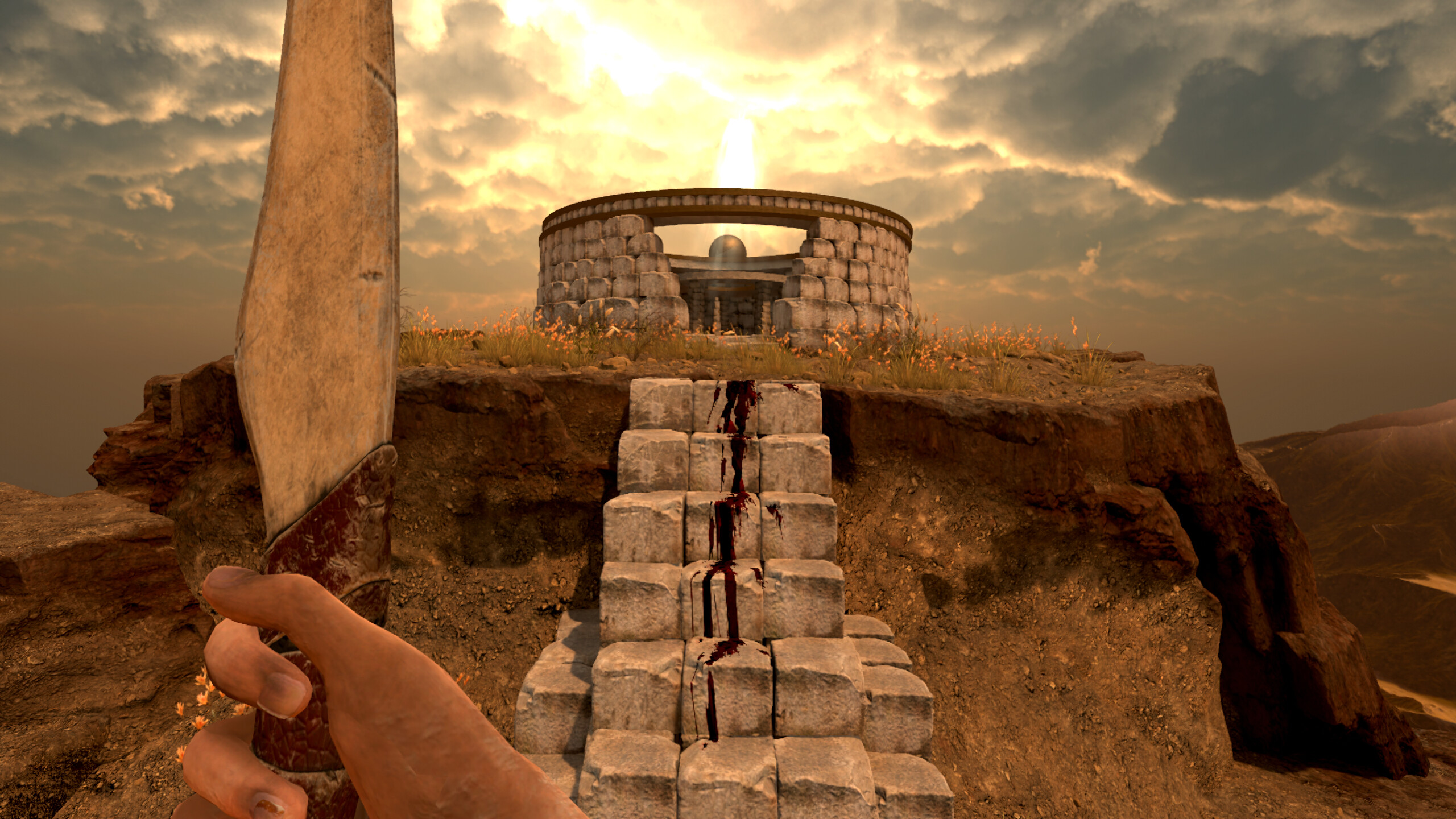
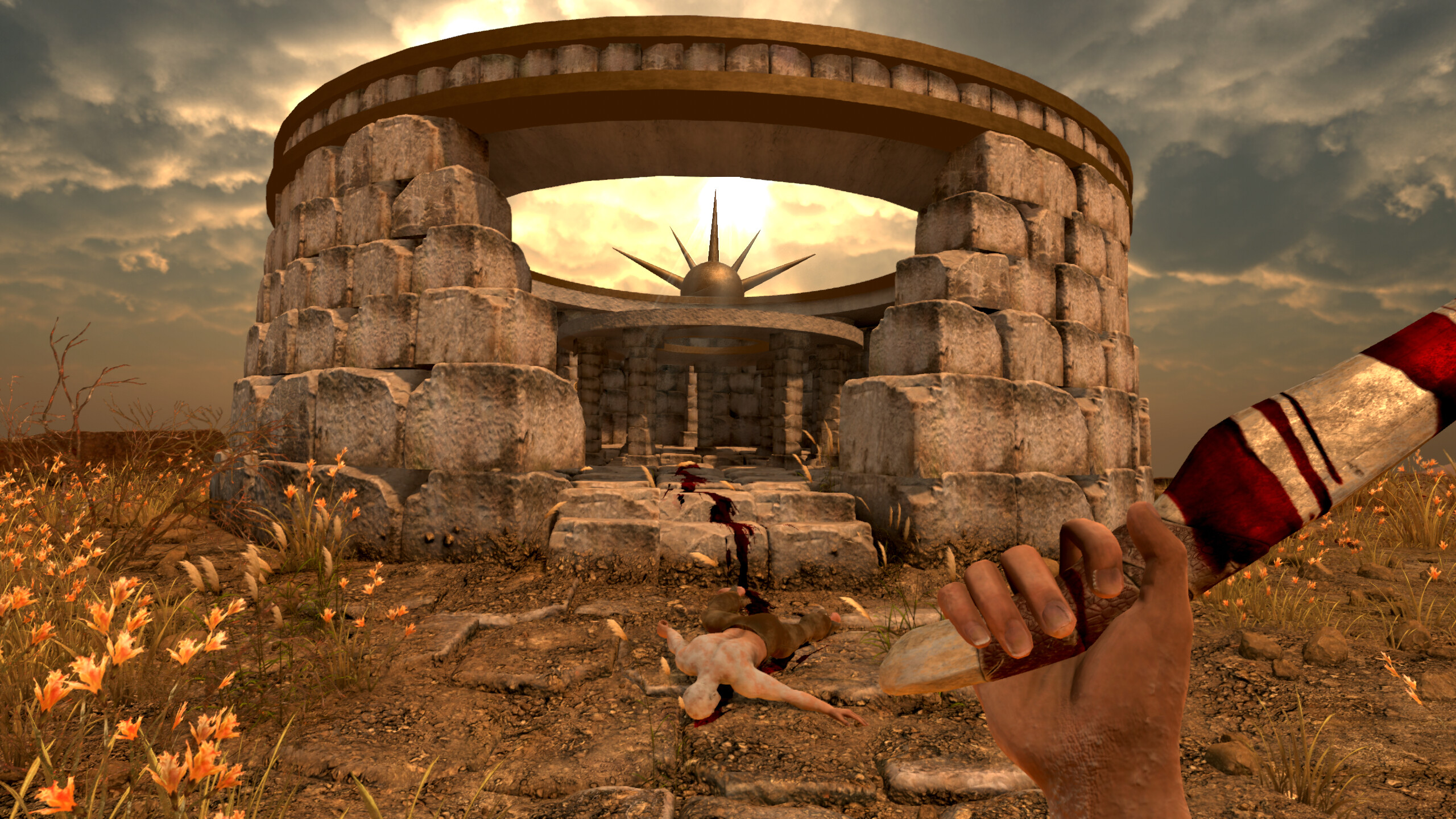
Enter a forgotten age buried in myth and blood, older than history itself, where gods demand sacrifice in exchange for divine favor. Welcome to BLOODFALL™: The First Temple - a world that isn't just ancient, but primordial, ritualistic, and rooted in the Neolithic.
Mechanics
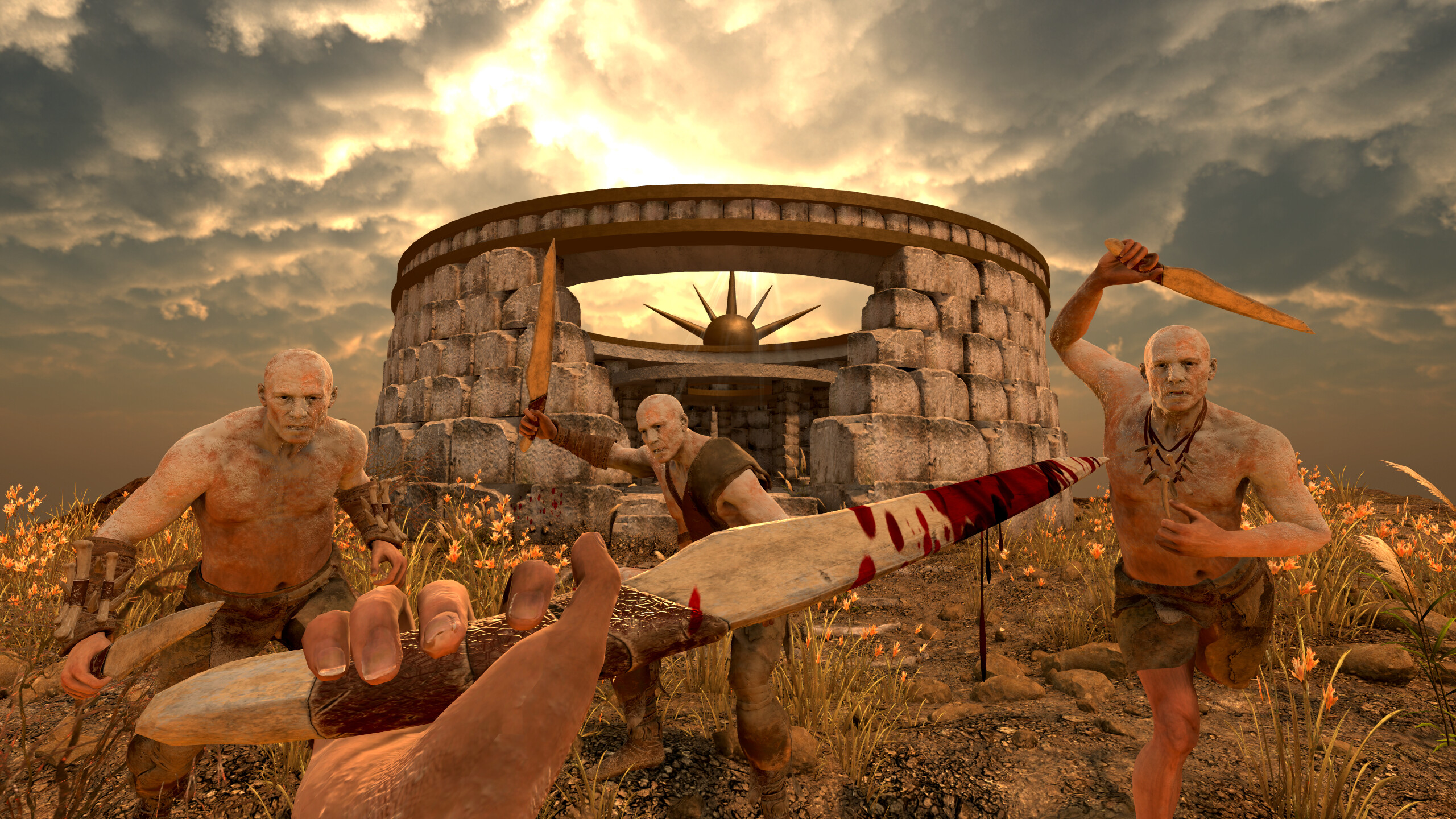
High-speed physics-based first-person melee combat with precise directional attacks and blocks. Fast and responsive weapon controls where timing and precision are critical. Gameplay emerges from concrete interactive systems rather than abstract shortcuts like stats, modifiers or animation windows. It is a purely mechanical world governed by physical and material laws that cannot be broken. Combat functions due to coherent, fully integrated underlying systems, not stacked exceptions.
Unique Input Modality
This is a game where the player moves the weapon directly with the mouse rather than selecting pre-defined actions.
Feel
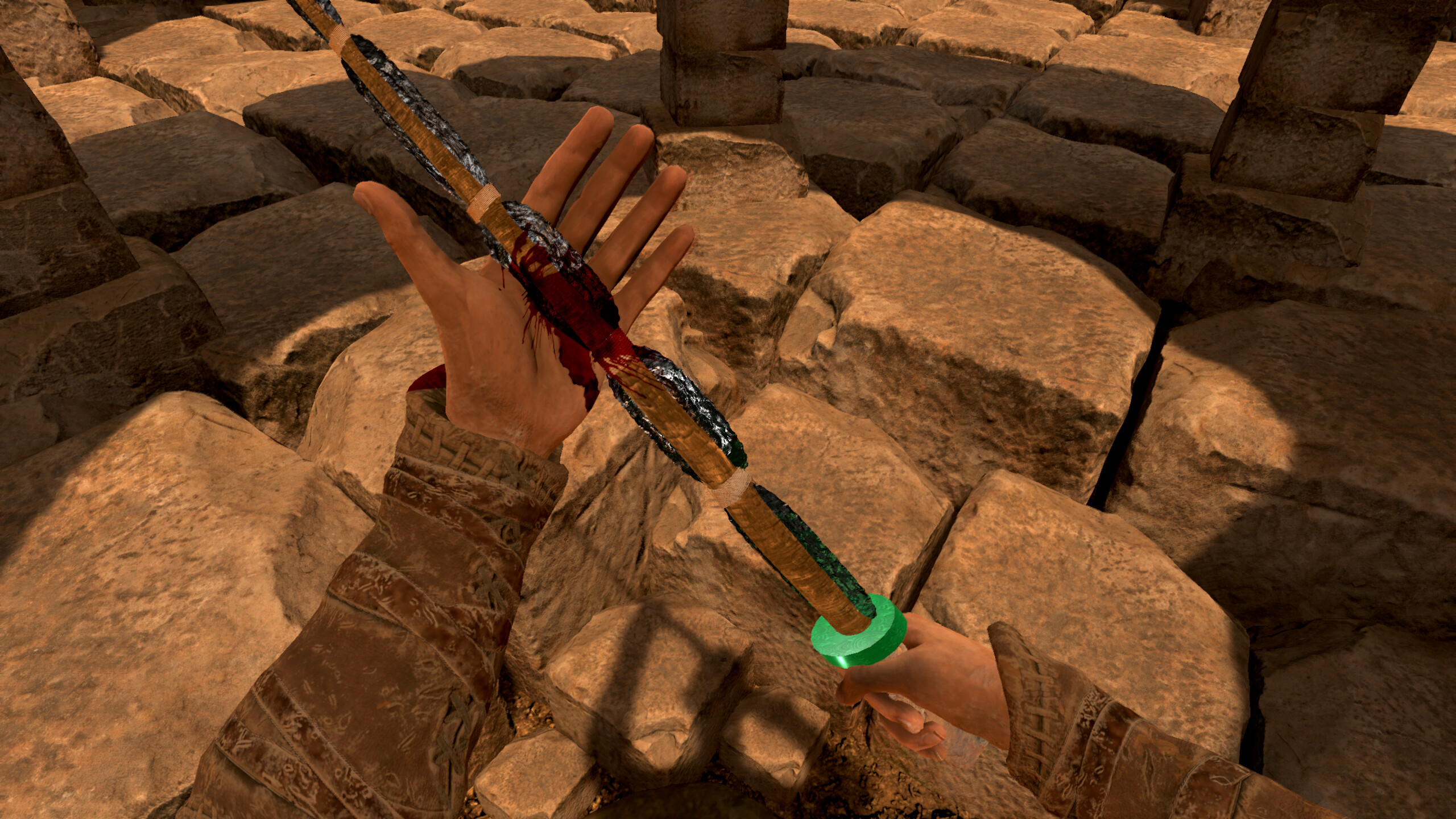
Feel the weight and impact of every collision, as weapons clash, rebound, slide, deflect, vibrate, and stabilize in real time. Experience fully physically simulated combat with tight, stable controls, with none of the usual wobble and unwieldiness typical of physics-based sword fighting games.
How is Combat in BLOODFALL Different?
BLOODFALL fuses responsive directional attacks and blocks with physics-based simulation, giving players direct control over timing, intensity, and commitment. Strikes can be lightly or heavily wound, held indefinitely, released on demand, redirected, or cancelled mid-swing. Blocks are sustained, allowing smooth, continuous adjustment instead of forced commitments. Weapons and armor interact materially in real time. Collisions carry weight, momentum transfer is felt, and damage results from actual contact. The result is a fast-paced, high-mastery combat system where outcomes are determined by intent, timing, and precision.